

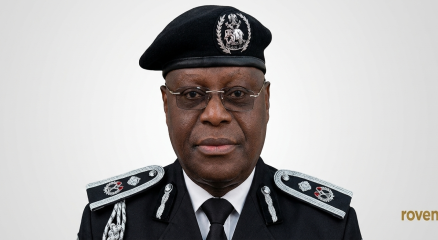
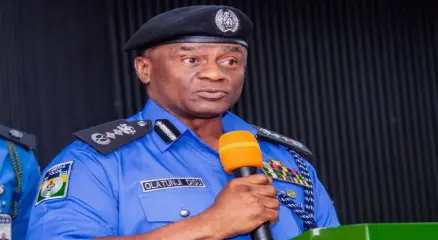
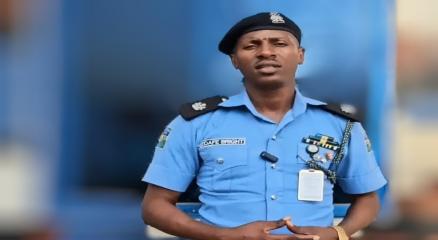

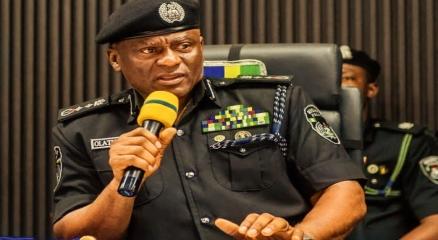

The Inspector General of Police (IGP) has taken decisive action in response to the recent shooting incident in Effurun, ordering both the dismissal and criminal prosecution of the officers involved. This move comes amid widespread public outcry and mounting pressure from civil society organizations demanding accountability. The shooting, which resulted in injuries to unarmed civilians, has been widely condemned as an excessive use of force. By opting for immediate dismissal and legal action, the IGP aims to reinforce the principles of justice and uphold the integrity of the police force. The response from the police hierarchy indicates an effort to address the breakdown of trust between law enforcement and the community. In recent years, there have been increasing calls for transparency and reform within the police force, and this incident has further heightened those demands. The decision to pursue criminal charges against the officers is unprecedented and reflects a broader commitment to ensuring that police conduct is subject to legal scrutiny. It highlights the IGP’s dedication to maintaining public confidence and sending a clear message that such misconduct will not be tolerated. Community leaders and activists have welcomed the IGP's decision, viewing it as a crucial step in the quest for justice and systemic reform. While the immediate dismissal of the officers involved demonstrates a zero-tolerance approach to violations, the subsequent criminal proceedings will be instrumental in determining accountability and delivering justice to the victims. The IGP’s actions are expected to serve as a deterrent for future infractions and are seen as an essential part of the broader effort to reform the police force and rebuild community trust. The coming weeks will be critical as the investigation unfolds, with many hopeful that this incident marks a turning point in the pursuit of a more accountable and transparent policing system.
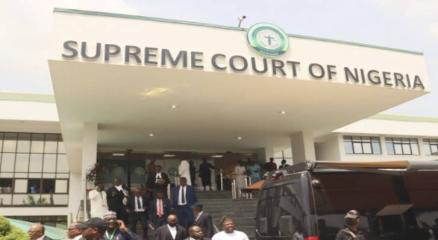
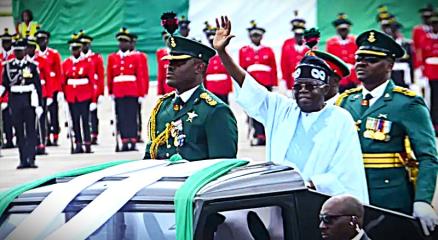
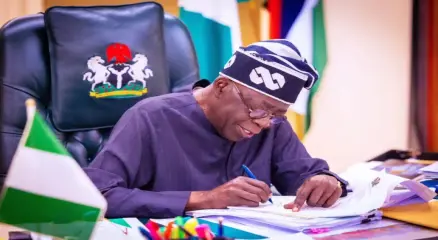
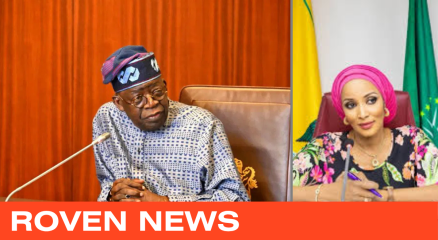
In a dramatic turn of events, the Nigerian Army has revealed its integral role in uncovering a clandestine plot aimed at overthrowing President Bola Ahmed Tinubu. The revelation came during a court hearing where the Army detailed the complex surveillance operations and intelligence work that led to the discovery of the scheme. According to military sources, the plot involved a group of dissidents, allegedly in collaboration with foreign agents, seeking to destabilize the government and disrupt the nation’s nascent democratic processes. This disclosure has sent shockwaves throughout political corridors, raising concerns about the security challenges faced by the administration in its efforts to maintain stability and order. The Army’s statement in court emphasized the critical roles played by various intelligence agencies in thwarting the conspiracy. Military spokespersons highlighted the use of advanced technology and collaboration with domestic and international partners to reveal the conspiracy's intricate details. This collaborative approach underscores the global nature of political threats and the need for constant vigilance. The court was shown evidence, including intercepted communications and financial transactions, that underscored the severity of the threat. The Army's revelations also raise important questions about the extent to which external forces might influence internal political strife. As the court proceedings continue, public attention remains riveted on the potential implications of the uncovered plot. Analysts suggest that these events could lead to a reassessment of national security strategies, with a particular focus on enhancing the capability of intelligence agencies to preempt such threats. The government has reiterated its commitment to upholding the rule of law and ensuring that justice is served for those implicated in what has been described as a most audacious attack on Nigeria’s democratic framework. The outcome of this legal battle is likely to have far-reaching consequences for the country’s political landscape and may influence future discourse on governance and security.
Delta Police Arrest Man for Allegedly Plotting Aunt's Kidnapping and Paying N900k to Gang In a startling turn of events, Delta State Police have arrested a middle-aged man for orchestrating the abduction of his own aunt. Authorities revealed that the suspect allegedly masterminded the plot, hiring a notorious local gang to carry out the kidnapping. The police, acting on a tip-off, unraveled this conspiracy just as it was about to be executed, ensuring the safety of the intended victim. The suspect reportedly paid the gang N900,000, sparking widespread outrage, as many had considered him a trusted family member. This case serves as a grim reminder of the lengths some individuals might go in pursuit of financial gain, even at the expense of close relatives. The arrest followed a meticulously planned operation by the police, who had been monitoring the suspect's activities for several days. It became apparent during the investigation that the suspect had approached the gang with detailed plans and specific instructions regarding his aunt’s daily routine. Such diligence raised concerns about the number of similar yet unreported cases possibly orchestrated with the same shocking precision. Law enforcement officers emphasized the importance of public vigilance and urged community members to report suspicious activities promptly. With the suspect now in custody, police are hopeful that further intelligence will emerge, potentially linking the syndicate to other criminal activities in the region. Community leaders have applauded the police force for its swift intervention, preventing what could have been a devastating incident. They have called for increased community policing efforts and stronger familial bonds to prevent such treachery from taking root. Meanwhile, the victim, although shaken, has expressed immense gratitude towards the authorities for their quick response and vigilance. This incident has not only highlighted the crucial role of intelligence in crime prevention but also stirred discussions on familial trust and the underlying socio-economic factors that may lead individuals to commit such heinous acts. As investigations continue, the public remains eager for updates, hoping for justice to prevail in this unsettling saga.
In the ongoing legal proceedings concerning the alleged murder case involving 'Killaboi', the court has decided to adjourn the trial The new date for the hearing is set for May 21 Stay tuned for more updates on this developing story. The much-anticipated trial of the individual known by the moniker ‘Killaboi’ has been postponed, as the court has rescheduled proceedings to May 21. This case, which has captured widespread public attention, involves allegations of murder that have ignited debates on legal justice and crime. According to reports, the adjournment was due to procedural delays, including the need for additional evidence that both the defense and prosecution teams require to strengthen their cases. The courtroom was filled with spectators and journalists eager to learn about the new developments, highlighting the high-profile nature of this legal battle. Attorneys representing 'Killaboi' have expressed concerns over the delay, suggesting that it adds to the already intense psychological pressure on their client. They argue that such postponements can undermine the fairness of the trial process, potentially affecting the outcome. Meanwhile, the prosecution has maintained that this additional time will be crucial in compiling a comprehensive case that ensures no aspect of the matter goes unaddressed. Both sides are using this interval to meticulously prepare, indicating that the subsequent sessions will likely be charged with rigorous legal exchanges. Public reactions to the adjournment have been mixed. Advocates for the victim have expressed frustration, seeing the delay as a setback in their quest for justice. On the other hand, supporters of the accused view this as an opportunity for a more thorough examination of the facts. The widespread attention underscores society’s deep-seated interest in cases of this nature, where the implications reach beyond the individuals directly involved to touch on broader issues of law enforcement and societal safety. As the new trial date approaches, all eyes will remain on the courtroom, anticipating justice to be both served and seen.
The critical issue of funding for the Nigeria Police Force demands immediate attention as the country continues to grapple with escalating security challenges. Nigeria faces multifaceted threats including terrorism, banditry, kidnapping, and communal clashes, all of which have overwhelmed the existing law enforcement infrastructure. The inadequacy in funding has resulted in a shortage of essential resources such as vehicles, communication equipment, and advanced technology necessary for effective policing. This funding gap not only hampers the operational capabilities of the police force but also demoralizes personnel who are compelled to work under strenuous conditions without adequate support and compensation. The consequences of underfunding are far-reaching, impacting not only the effectiveness of the police but also the trust between law enforcement and citizens. Public confidence in the police is deteriorating due to perceived inefficiency, which is largely a result of insufficient resources. This erosion of trust makes it increasingly challenging for the police to collaborate with communities, gather intelligence, and effectively execute their duties. Furthermore, the inability to provide timely and robust responses to security threats undermines the rule of law and could potentially embolden criminal elements. Thus, sustainable investment in policing is essential to restore trust, promote community cooperation, and enhance national security. Addressing Nigeria’s police funding crisis requires a multifaceted approach that involves not only increased budgetary allocations but also strategic reforms in financial management and accountability. The government must prioritize police funding in its national budget and ensure transparency in the disbursement and utilization of allocated funds. Additionally, partnerships with international allies and private sector stakeholders could offer alternative funding streams and resource sharing. By building institutional capacity and fostering a culture of accountability, Nigeria can bolster its policing capabilities. Ultimately, strengthening police operations is pivotal to safeguarding the nation's stability and promoting a peaceful environment conducive to socioeconomic growth.
The Conflict: The Nigeria Guild of Editors (NGE) and SERAP have officially called on President Bola Tinubu to investigate what they describe as a "downward spiral" of media intimidation. The spark? Recent comments by FCT Minister Nyesom Wike directed at Channels TV’s Seun Okinbaloye. What Triggered the Row? During a media chat, Minister Wike expressed intense anger over Okinbaloye’s analysis on Politics Today. The Minister stated he was so "surprised" by the journalist’s comments regarding the 2027 elections that he "would have shot him" if he could reach through the television screen. While Wike later claimed the statement was a figure of speech, the NGE and SERAP argue that such language from a high-ranking official: Chills Public Interest: It creates a climate of fear for journalists. Encourages Impunity: It emboldens others to harass the media. Violates the Constitution: Section 39 guarantees the right to hold opinions and impart ideas without interference. The Stats: Nigeria’s Media Climate The joint statement highlighted a worrying trend for the country: Rankings Dropped: Nigeria fell 10 places to 122nd in the 2025 World Press Freedom Index. Attacks on the Rise: At least 56 journalists were arrested or assaulted in August 2024 alone while covering protests. Constitutional Duty: The groups reminded the government that Section 22 of the Constitution specifically mandates the press to hold the government accountable to the people.
🎶 Sunday Groove: Fine-Tuned Melody Takes Over Shenix Lounge & Grills! Ibadan, are you ready for the ultimate weekend climax? If you’re looking for the perfect spot to unwind with your spouse, catch up with friends, or treat the family to an unforgettable evening, Shenix Lounge & Grills is the only destination this Sunday! This May 3rd, 2026, we are turning up the heat with a spectacular live music journey tagged "Fine-Tuned Melody." It’s time to dust off your dancing shoes and prepare for a night of rhythm, soul, and high-energy performances. 🌟 The All-Star Lineup We’ve curated a "Pioneer" list of performers to ensure every beat hits home: 🔥 Imisi Gold (The Headliner) 🎤 Bayo Amos 🎵 Luku Boy 🎹 Olabanji Melody 👯♂️ Ransom Twins 📍 Event Details Date: Sunday, 3rd May 2026 Time: 5:00 PM Sharp Location: No. 4, Idi-oro, Alao-Akala Express, Opposite Health Centre, Agara, Ibadan. Security: Maximum security is guaranteed, so you can focus entirely on the vibe!
The Simple Breakdown: Premier League giants Chelsea FC are officially heading to Lagos this May. It’s not for a match, but for a massive "Fan Engagement" festival tagged "The Famous CFC in Lagos." Even better? Super Eagles and Chelsea legend Victor Moses is coming along to host the party. 3 Things Every Chelsea Fan Needs to Know: 1. What’s Happening? Chelsea is bringing a "Watch Party" experience to Lagos. Think of it as a stadium-style atmosphere right in the heart of the city. There will be: A live viewing of a Chelsea match as the season reaches its climax. Q&A Sessions: You get to hear from Victor Moses himself. Prizes: Opportunities to win jerseys and merchandise signed by current Chelsea stars. 2. The Victor Moses Connection Having the 2013 AFCON winner and Premier League champion on the ground makes this special. It’s the first time the club is doing an official event of this scale in Nigeria, which is currently the fifth stop on their global fan tour this season. 3. Joining the Legends Lagos is used to "Football Royalty." Chelsea follows in the footsteps of Thierry Henry (who became the "Igwe of Football" in 2017) and Rio Ferdinand. This visit proves that Nigeria remains one of the biggest hubs for the "Blue" family worldwide. How to Attend (The Step-by-Step): You can't just show up at the gate! To get an invite: Go to the official Chelsea FC website. Search for the "International Fan Programme" or the Lagos event page. Fill out the application form to register your interest.
The Scandal: Prominent social media influencer Blessing CEO (Blessing Okoro) is facing a massive backlash after the Nigerian Medical Association (NMA) and a cancer survivor, Deborah Mbara, accused her of faking a Stage 4 breast cancer diagnosis. The NMA has confirmed that the medical report Blessing used to solicit donations was a "manipulated and doctored" version of Mbara's actual 2025 diagnosis. How the "Trap" Was Set: The Makeup Artist Connection: Mbara, a makeup artist who previously worked for Blessing, reached out to the influencer last week to offer support after Blessing claimed she was dying of cancer. The "Comparison" Trick: Blessing allegedly asked Mbara to send her original 2025 medical report from Xinus Medical Diagnostics under the guise of "comparing results" with her own doctor. The Forgery: Instead of comparing them, Mbara alleges Blessing doctored the document, swapped the names, and posted it online to back her claim of raising ₦13 million in donations. The NMA's Verdict: The Delta State chapter of the NMA issued a scathing statement, clarifying that Xinus Medical Diagnostics never issued a report to Blessing Okoro. They traced the original document back to May 9, 2025, confirming it belonged strictly to Deborah Mbara.
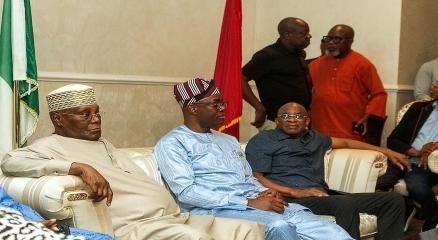
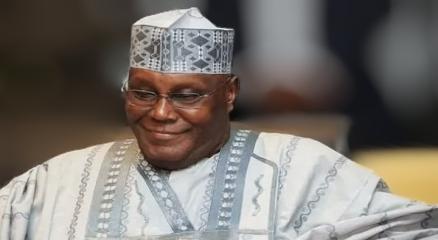
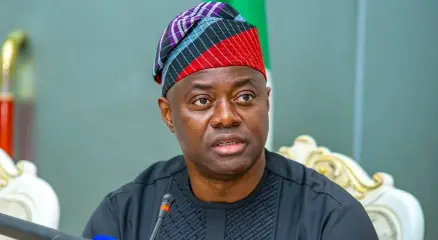
The political landscape in Nigeria has recently been stirred by a provocative comment from Governor Seyi Makinde, and it has sparked a fiery exchange between Wike-backed PDP members and Turaki’s camp. Makinde’s reference to “Operation Wetie,” a term harking back to a period of political unrest in Western Nigeria during the 1960s, has incited formidable reactions. Supporters of Nyesom Wike, who are embedded within the PDP, interpreted Makinde’s remarks as inflammatory, potentially exacerbating tensions within the party. They argue that such comments could unearth historical animosities and detract from the political unity required for navigating contemporary challenges facing the state and the country at large. Turaki’s camp, on the other hand, has seized the opportunity to mount a robust defense while countering the implications of Makinde’s statement. They contend that invoking the past serves little purpose other than resurrecting wounds that were thought to be healing. The camp remains steadfast in its belief that the PDP should focus on fostering an inclusive discussion that highlights progressive policies. Advocates within Turaki’s circle emphasize a forward-thinking approach, promoting strategies aimed at economic development and social cohesion, rather than getting mired in historical disputes that have the potential to fracture party solidarity. This exchange underscores a broader issue within the party, wherein internal factions appear to be at odds over strategies and rhetoric leading up to key elections. While Wike-backed members express concern over maintaining a peaceable and united front, Turaki’s faction advocates for addressing controversial topics head-on but in a manner that cultivates understanding and growth. The divergent responses to Makinde's comment could shape the narrative surrounding intra-party politics, revealing the complexities of alliances and the challenges of steering a large, diverse political entity through a tumultuous electoral landscape. As the situation develops, it will be crucial for party leaders to mediate and guide discussions that maintain the integrity and objectives of the PDP whilst honoring the lessons of history.