






📻 LISTEN LIVE Legal Gaps Leave African Girls Vulnerable to Child Marriage
NEWS & HEADLINES

Drawing on case studies from Chad, Cameroon, Ethiopia, Egypt, Malawi, Mali, Nigeria, Somalia, Sudan, and Zimbabwe, the Thematic Report on Harmful Practices Affecting Children in Africa finds that despite progress in strengthening legal frameworks and poli

Legal protections are failing to protect girls in Africa from child marriage and Female Genital Mutilation (FGM), report warns

Admin April 29, 2026 0
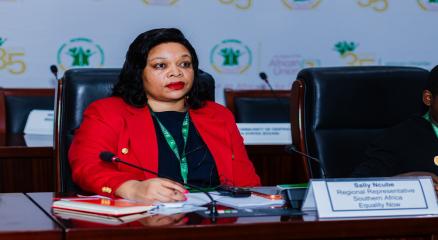
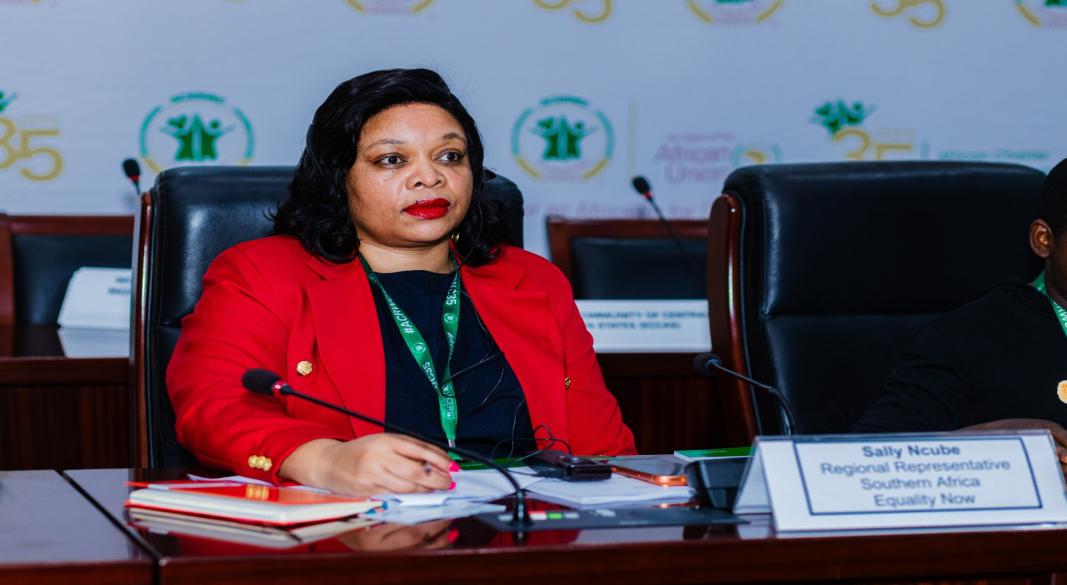
Sally Ncube, Equality Now, speaking at the launch of the Thematic Report during the 47th Ordinary Session of the African Committee of Experts on the Rights and Welfare of the Child. Photo Credit - Chris ImageWorld

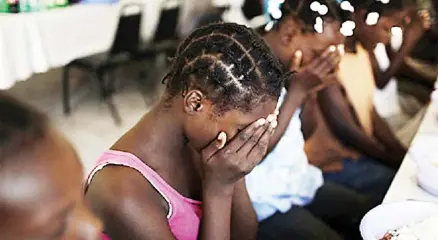
MASERU, Lesotho, April 29, 2026/ --&nbspMillions of girls in Africa are still at risk of child marriage and female genital mutilation (FGM) despite bans in most countries. A new report by the African Committee of Experts on the Rights and Welfare of the Child (ACERWC) (www.ACERWC.Africa), with support from Equality Now (https://apo-opa.co/4ubG12Q), reveals how laws are often poorly enforced, with implementation varying widely and survivors facing challenges accessing justice and support. Governments must urgently close protection gaps and bridge the divide between legal commitments and the reality girls face.


Drawing on case studies from Chad, Cameroon, Ethiopia, Egypt, Malawi, Mali, Nigeria, Somalia, Sudan, and Zimbabwe, the Thematic Report on Harmful Practices Affecting Children in Africa (https://apo-opa.co/4ePMlbK) finds that despite progress in strengthening legal frameworks and political commitments, harmful practices remain entrenched.


Climate shocks, conflict, and economic instability are intensifying the drivers of child marriage and FGM, weakening already fragile systems and increasing risks for girls, particularly in rural and conflict-affected areas, where access to services is limited and social pressures are stronger. Many cases go unreported due to stigma, fear of retaliation, and limited support services.


The report was launched at the 47th Ordinary Session of the ACERWC, held in Maseru, Lesotho, on April 21, and a recording of the discussion (https://apo-opa.co/494EHGT) is available to watch (the session starts at 4:56:31). The session brought together policymakers, civil society organisations, and regional stakeholders to advance dialogue and reinforce collective action to end harmful practices across Africa.


Sally Ncube, Equality Now’s Regional Representative for Southern Africa, explains, “Failure of implementation and enforcement of the law to protect children from harmful practices is not a failure of the law alone. It is a failure of the ecosystem that should make the law protect and support children.”


Legal gaps, climate change, and conflict exacerbate child marriage


Less than half of African countries set the minimum marriage age at 18 without exception (https://apo-opa.co/4tLGNUC), leaving legal gaps that allow child marriage under parental consent, judicial approval, or customary and religious law. Many countries also lack comprehensive legislation addressing prevention, access to justice, and survivors’ rights.


Crises like extreme weather fuelled by climate change erode economic and social structures, disrupt services, and shut schools, which are crucial for monitoring and reporting abuse. Economic hardship remains a major driver of child marriage, with families facing poverty sometimes turning to early marriage to reduce household expenses and in the mistaken belief that it will provide their daughter with protection.


The reality is that child marriage increases a girl’s likelihood of experiencing a range of harms, including domestic violence, unwanted and early pregnancy, dropping out of education, and poverty. 


UNICEF noted that a 2022 drought tripled the number of children at risk of dropping out of school (https://apo-opa.co/4uhivS8) in Ethiopia, Kenya, and Somalia. A 10% decrease in rainfall is associated with a 1% increase in child marriage (https://apo-opa.co/48p7SnW) rates, underscoring how environmental shocks can deepen economic pressures that push families toward early marriage as an economic survival strategy.


Drought in parts of Ethiopia led to a doubling of child marriage rates within a year in the worst-affected regions (https://apo-opa.co/4uhivS8) as families struggled with food insecurity and poverty. FGM is often carried out to prepare girls for marriage, and in Djibouti and Somalia, climate-related economic pressure has resulted in girls undergoing FGM at younger ages to increase their “marriageability.”


In Somalia, FGM and child marriage remain deeply rooted, particularly impacting girls in internally displaced persons camps where protections are weak, while in Sudan, FGM was criminalised in 2020, but war and governance breakdown have severely undermined enforcement.


Legal gaps and weak enforcement undermine progress on ending FGM


Of the 27 African countries with national-level prevalence data on FGM, four countries (Liberia, Mali, Sierra Leone, and Somalia) still lack specific national legislation banning the practice, underscoring persistent legal gaps across the region.


The medicalisation of FGM and girls being transported across country borders to be cut remain under-addressed issues in many national laws. In some cases, survivors are inadvertently criminalised, and access to redress and support services remains limited, particularly in rural and crisis-affected areas.


In Egypt and Cameroon, FGM legal bans reflect progress, but shortfalls remain, such as FGM medicalisation in Egypt and legal inconsistencies in Cameroon. In Nigeria, laws criminalising FGM and setting the minimum age of marriage at 18 are weakened by inconsistent enforcement and conflicting customary and religious law.


Rising authoritarianism and military takeovers have stifled progress toward ending harmful practices. The withdrawal of countries such as Burkina Faso, Mali, and Niger from ECOWAS and other regional bodies has reduced accountability and curtailed civil society's ability to advocate for change.


FGM laws at risk of rollback in some countries


Debates about decriminalising FGM are resurging, as seen in The Gambia (https://apo-opa.co/4sZ8FmH) (2024), where the Supreme Court is considering repealing the country’s FGM ban, underscoring the need for sustained vigilance and advocacy.


Proposed anti-FGM provisions in Mali (https://apo-opa.co/4cAQQWk) were removed from the 2024 Penal Code following resistance from religious leaders, demonstrating how political and social pressures can stall reform.


Progress towards ending child marriage and FGM


Despite challenges, progress advances where legal reform and community leadership align. In Malawi, the report recognises the efforts of traditional leaders such as Chief Theresa Kachindamoto (https://apo-opa.co/4n06he7), who have played a key role in annulling thousands of child marriages, demonstrating the success of locally led action.


Another progressive example is how the Constitutional Court (https://apo-opa.co/4mYhJqx) in Zimbabwe issued a landmark ruling that prompted the amendment to the 2022 Marriage Act, setting the age of marriage at 18 with no exceptions, following a case by two young women forced into early marriage.


Ethiopia, for example, adapted to COVID-19 restrictions by using mobile-based interactive voice recordings to reach out-of-school girls with FGM awareness content (https://apo-opa.co/4cFYuPj), showcasing how technology can support advocacy during a crisis.


African governments must turn legal commitments into real protection for girls


The thematic report recommends that all African governments implement strict legal provisions prohibiting harmful practices and fully incorporate international and regional human rights treaties, conventions, and protocols into their domestic legal systems to ensure that these instruments bind the state. It is also critical to close legal loopholes to ensure that the minimum marriage age is set at 18 without exception and to align national, customary, and religious frameworks with regional child rights standards.


“The study illustrates that change is possible and indeed already taking place. Progress is achievable when legislation is complemented by implementation and coordination among relevant stakeholders and the promotion within the community,” said Hon. Hermine Kembo Takam Gatsing, Special Rapporteur on Child Marriage and Other Harmful Practices, ACERWC

Strong political will, clear policy, and coordinated national action are essential. This requires collaboration among governments, civil society, and communities, backed by dedicated funding, strong accountability frameworks, and well-staffed systems.


Efforts must address the social and cultural norms that allow harmful practices to persist. Context-specific approaches and local ownership are essential, grounded in meaningful participation of survivors and community leaders. Empowering girls through education and providing survivors with guaranteed access to protection, justice, and support services are also crucial.


To better understand the causes and scale of child marriage and FGM, governments must strengthen national data systems, including birth and marriage registration and child protection databases. Reliable, disaggregated data can help identify risks, design evidence-based responses, track progress, and hold institutions accountable.


"The law that cannot protect a girl in her own home is not a law; it is a broken promise. Lack of implementation is not a failure of law alone. It is a failure of the ecosystem that should make the law protect children from marriage and FGM. This report, and this moment, matter because millions of girls across Africa are waiting for the law to find them. Not for them to find the law.” Sally Ncube, Equality Now’s Regional Representative for Southern Africa

"Equality Now and civil society organisations stand ready to continue working with ACERWC and States Parties to turn commitments into safety and justice. May this session be the turning point where Africa accelerates progress toward moving laws on paper into real-life protection in practice. Equality Now stands ready. Africa’s girls are waiting,” concludes Ncube.

Popular News
Protect the Press! NGE and SERAP Petition Tinubu Over Wike’s "I Would Have Shot Him" Remark to Seun Okinbaloye

The Conflict:   The Nigeria Guild of Editors (NGE) and SERAP have officially called on President Bola Tinubu to investigate what they describe as a "downward spiral" of media intimidation. The spark? Recent comments by FCT Minister Nyesom Wike directed at Channels TV’s Seun Okinbaloye.   What Triggered the Row?   During a media chat, Minister Wike expressed intense anger over Okinbaloye’s analysis on Politics Today. The Minister stated he was so "surprised" by the journalist’s comments regarding the 2027 elections that he "would have shot him" if he could reach through the television screen.   While Wike later claimed the statement was a figure of speech, the NGE and SERAP argue that such language from a high-ranking official:   Chills Public Interest: It creates a climate of fear for journalists.   Encourages Impunity: It emboldens others to harass the media.   Violates the Constitution: Section 39 guarantees the right to hold opinions and impart ideas without interference.   The Stats: Nigeria’s Media Climate The joint statement highlighted a worrying trend for the country:   Rankings Dropped: Nigeria fell 10 places to 122nd in the 2025 World Press Freedom Index.   Attacks on the Rise: At least 56 journalists were arrested or assaulted in August 2024 alone while covering protests.   Constitutional Duty: The groups reminded the government that Section 22 of the Constitution specifically mandates the press to hold the government accountable to the people.

Sunday Groove: Fine-Tuned Melodies Take Center Stage at Shenix Lounge & Grills!

🎶 Sunday Groove: Fine-Tuned Melody Takes Over Shenix Lounge & Grills!   Ibadan, are you ready for the ultimate weekend climax?   If you’re looking for the perfect spot to unwind with your spouse, catch up with friends, or treat the family to an unforgettable evening, Shenix Lounge & Grills is the only destination this Sunday!   This May 3rd, 2026, we are turning up the heat with a spectacular live music journey tagged "Fine-Tuned Melody." It’s time to dust off your dancing shoes and prepare for a night of rhythm, soul, and high-energy performances.   🌟 The All-Star Lineup   We’ve curated a "Pioneer" list of performers to ensure every beat hits home: 🔥 Imisi Gold (The Headliner) 🎤 Bayo Amos 🎵 Luku Boy 🎹 Olabanji Melody 👯‍♂️ Ransom Twins     📍 Event Details Date: Sunday, 3rd May 2026 Time: 5:00 PM Sharp Location: No. 4, Idi-oro, Alao-Akala Express, Opposite Health Centre, Agara, Ibadan. Security: Maximum security is guaranteed, so you can focus entirely on the vibe!

The Blues are Coming! Chelsea FC Announces Historic Lagos Takeover this May

The Simple Breakdown: Premier League giants Chelsea FC are officially heading to Lagos this May. It’s not for a match, but for a massive "Fan Engagement" festival tagged "The Famous CFC in Lagos." Even better? Super Eagles and Chelsea legend Victor Moses is coming along to host the party.   3 Things Every Chelsea Fan Needs to Know:   1. What’s Happening? Chelsea is bringing a "Watch Party" experience to Lagos. Think of it as a stadium-style atmosphere right in the heart of the city. There will be: A live viewing of a Chelsea match as the season reaches its climax. Q&A Sessions: You get to hear from Victor Moses himself. Prizes: Opportunities to win jerseys and merchandise signed by current Chelsea stars.   2. The Victor Moses Connection Having the 2013 AFCON winner and Premier League champion on the ground makes this special. It’s the first time the club is doing an official event of this scale in Nigeria, which is currently the fifth stop on their global fan tour this season.   3. Joining the Legends Lagos is used to "Football Royalty." Chelsea follows in the footsteps of Thierry Henry (who became the "Igwe of Football" in 2017) and Rio Ferdinand. This visit proves that Nigeria remains one of the biggest hubs for the "Blue" family worldwide.   How to Attend (The Step-by-Step):   You can't just show up at the gate! To get an invite: Go to the official Chelsea FC website. Search for the "International Fan Programme" or the Lagos event page. Fill out the application form to register your interest.

Cancer Survivor Speaks Out: "Blessing CEO Doctored My Report to Scam the Public" — NMA Confirms Fraud

The Scandal: Prominent social media influencer Blessing CEO (Blessing Okoro) is facing a massive backlash after the Nigerian Medical Association (NMA) and a cancer survivor, Deborah Mbara, accused her of faking a Stage 4 breast cancer diagnosis. The NMA has confirmed that the medical report Blessing used to solicit donations was a "manipulated and doctored" version of Mbara's actual 2025 diagnosis.   How the "Trap" Was Set:   The Makeup Artist Connection: Mbara, a makeup artist who previously worked for Blessing, reached out to the influencer last week to offer support after Blessing claimed she was dying of cancer. The "Comparison" Trick: Blessing allegedly asked Mbara to send her original 2025 medical report from Xinus Medical Diagnostics under the guise of "comparing results" with her own doctor. The Forgery: Instead of comparing them, Mbara alleges Blessing doctored the document, swapped the names, and posted it online to back her claim of raising ₦13 million in donations.   The NMA's Verdict: The Delta State chapter of the NMA issued a scathing statement, clarifying that Xinus Medical Diagnostics never issued a report to Blessing Okoro. They traced the original document back to May 9, 2025, confirming it belonged strictly to Deborah Mbara.

Tensions Rise as PDP and Turaki's Camp Clash Over Makinde's 'Operation Wetie' Remark

The political landscape in Nigeria has recently been stirred by a provocative comment from Governor Seyi Makinde, and it has sparked a fiery exchange between Wike-backed PDP members and Turaki’s camp. Makinde’s reference to “Operation Wetie,” a term harking back to a period of political unrest in Western Nigeria during the 1960s, has incited formidable reactions. Supporters of Nyesom Wike, who are embedded within the PDP, interpreted Makinde’s remarks as inflammatory, potentially exacerbating tensions within the party. They argue that such comments could unearth historical animosities and detract from the political unity required for navigating contemporary challenges facing the state and the country at large.   Turaki’s camp, on the other hand, has seized the opportunity to mount a robust defense while countering the implications of Makinde’s statement. They contend that invoking the past serves little purpose other than resurrecting wounds that were thought to be healing. The camp remains steadfast in its belief that the PDP should focus on fostering an inclusive discussion that highlights progressive policies. Advocates within Turaki’s circle emphasize a forward-thinking approach, promoting strategies aimed at economic development and social cohesion, rather than getting mired in historical disputes that have the potential to fracture party solidarity.   This exchange underscores a broader issue within the party, wherein internal factions appear to be at odds over strategies and rhetoric leading up to key elections. While Wike-backed members express concern over maintaining a peaceable and united front, Turaki’s faction advocates for addressing controversial topics head-on but in a manner that cultivates understanding and growth. The divergent responses to Makinde's comment could shape the narrative surrounding intra-party politics, revealing the complexities of alliances and the challenges of steering a large, diverse political entity through a tumultuous electoral landscape. As the situation develops, it will be crucial for party leaders to mediate and guide discussions that maintain the integrity and objectives of the PDP whilst honoring the lessons of history.

Dauda Adeshina

Reporting for Roven News Headline: Legal protections are failing to protect girls in Africa from child marriage and Female Genital Mutilation (FGM), report warns

News & Headlines

View more
Workers’ Day: Lagos workers decry fuel costs, hardship

In a fervent commemoration of Workers’ Day, employees across Lagos have raised their voices against the rising fuel costs and the accompanying economic hardship. Lagos, often regarded as Nigeria’s economic hub, witnessed a wave of rallies organized by labor unions and workers clamoring for governmental intervention.   Fuel costs, which directly impact transportation and the price of essential goods, have skyrocketed, leaving many workers with diminishing disposable income and increasing financial strain on their daily lives.   This sentiment was widely echoed during the public demonstrations where workers carried placards with inscriptions demanding urgent relief measures from the government. Many participating in the rallies expressed their struggles with balancing their limited salaries against the constantly climbing expenses.   Indeed, the burden of high fuel prices spills over into other areas such as food, healthcare, and housing, exacerbating the sense of economic pressure. Workers are urging policy makers to prioritize initiatives that stabilize fuel prices and make essential commodities more affordable.   Government authorities have acknowledged the rising public discontent and reiterated their commitment to improving economic conditions. However, many workers remain skeptical about the implementation and effectiveness of proposed policy solutions. As these events unfold, a greater collaboration between government officials and labor representatives seems indispensable.   Both parties share a common interest in crafting sustainable strategies aimed at bolstering the well-being of Lagos’s working population, hoping for meaningful action that will translate into tangible relief for the city’s residents.

may osakwe May 2, 2026 0

Army tracks Ekiti church attackers

OPay expands access to N1.2bn scholarship scheme

Pastor's Secret Revealed During Sunday Service

US President Donald Trump is a self-confessed fast food fan (Brendan SMIALOWSKI)
Trump on Bulletproof Vests: "I Don’t Want To Look Fat"

Donald Trump recently expressed his concerns about his appearance while wearing a bulletproof vest during his public engagements. The need for enhanced security protocols has been evident in light of his ongoing high-profile activities and controversial presence in political spheres.   However, the president has reportedly been uncomfortable with how the protective gear impacts his public image. Trump, known for his attention to detail regarding his presentation and public persona, has taken issue with the bulky nature of the vest, which he believes detracts from the polished demeanor he aims to project during appearances.   The necessity of a bulletproof vest highlights the heightened security risks faced by Trump owing to his polarizing presence in the political arena. As someone who continues to exert significant influence over a considerable faction of the American public, Trump's security has become a paramount concern for his team.   Nevertheless, balancing safety with maintaining an organized and visually appealing front has proven challenging. While the vest provides essential protection, it seems to conflict with Trump's broader strategy of maintaining a commanding and polished presence at his public events.   Trump's concerns regarding his appearance are not merely aesthetic but reflect a deeper understanding of his brand and its impact. In an era where visual impressions are powerfully influential, he is acutely aware that any deviation from his signature look can affect public perception.   The tension between safety measures and optical branding raises intriguing questions about how public figures navigate their dual responsibilities of ensuring security while seeking to reinforce their personal and political appeal.   This ongoing struggle exemplifies the intricate balance between security precautions and the maintenance of an image that resonates with supporters.

Admin May 1, 2026 0
INEC chairman Joash Amupitan

INEC Schedules June 20 for Bye-Elections in Six States

Cameroon

US Deports Nine African Migrants to Cameroon, Says Lawyer

Four Suspects in Jos Killings Maintain Innocence, Held in DSS Custody

Governor Adeleke
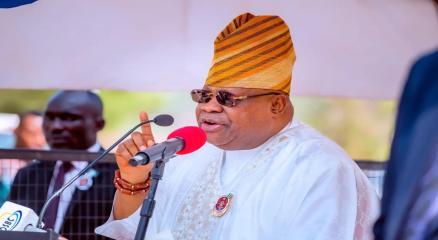
Adeleke Highlights Labour Welfare Achievements, Criticizes APC

Adeleke Highlights Labour Welfare Achievements, Criticizes APC   Adeleke has passionately underscored the significant strides his administration has made in enhancing labour welfare, positioning it as a cornerstone of his governance strategy.   By prioritizing the needs and rights of workers, Adeleke emphasized initiatives that include regular salary disbursements, improved working conditions, and extensive dialogue with various labour unions.   His administration, as he proudly pointed out, has ensured that public sector workers receive their dues on time, reflecting an unwavering commitment to their well-being and productivity.   This approach has not only increased job satisfaction but also invigorated the workforce to perform optimally in delivering services to the citizens.   The governor took the opportunity to highlight the robust framework put in place to support equitable labour practices. Initiatives such as health benefits, retirement plans, and skill enhancement programs were cited as tangible benefits that underscore his administration's dedication.   Adeleke believes that these measures are instrumental in creating a conducive environment for government employees to thrive and grow. The concerted effort to open channels of communication between workers' representatives and the government has fostered a more harmonious and responsive governance structure.   By acknowledging the critical role of labour in state development, Adeleke showcased his administration's proactive and inclusive governance.   In stark contrast, Adeleke criticized the past administration led by the All Progressives Congress (APC) for their lackadaisical approach towards labour welfare. He pointed out delays in salary payments, inadequate attention to workers' grievances, and a general disregard for the voices of labour unions as significant oversights that left the workforce disgruntled.   The governor's critique of the APC is aimed at highlighting a perceived neglect that he believes did not just stifle workers' potential, but also hindered the overall growth of the state's economy.   By presenting his achievements against the backdrop of the APC's shortcomings, Adeleke aims to present himself as a beacon of hope for sustainable and equitable progress for all working citizens. The underlying message is clear: under his leadership, labour welfare is not just a promise but a priority.

Admin April 30, 2026 0
Desmond Elliot

Lagos Assembly: Elliott Urges Surulere to Choose Experience Over Experimentation** In a recent statement, Lagos Assembly member Desmond Elliott emphasized the importance of valuing experience in governance Speaking to Surulere constituents, Elliott advis

(FILES) Colonel Sadio Camara, Minister of Defense and Veterans of Mali, is seen at the meeting of Ministers of the Alliance of Sahel States (AES), Ouagadougou, February 15, 2024. Mali’s defence minister died after an attack on his house, his family s

Mali Pays Tribute to Assassinated Defense Minister

SSANU President, Mohammed Ibrahim

SSANU and NASU Set to Begin Strike on May 1

0 Comments