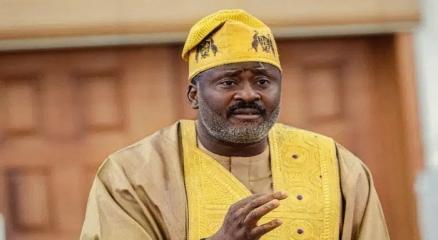








Lagos Assembly: Surulere shouldn’t trade experience for experiment — Elliott The political landscape of Surulere in Lagos State is witnessing a significant discourse as veteran actor and politician, Desmond Elliott, made a fervent plea to his constituents. Elliott, who has been an active member of the Lagos State House of Assembly representing Surulere, emphasized the importance of experience in governance. He argued that Surulere's progress over the years can be attributed to seasoned leadership that understands the complexities and nuances of effective governance. According to Elliott, choosing leaders with proven track records is critical to ensuring continued development and stability within the constituency. Desmond Elliott highlighted several projects and initiatives that have been successfully implemented under experienced leadership. These include improvements in infrastructure, healthcare services, and educational facilities, all of which have contributed to enhancing the quality of life for residents. Elliott urged voters to recognize and appreciate the value of continuity and seasoned expertise in political office. He warned that opting for experimental leadership could jeopardize the gains that have been achieved so far, potentially leading to a reversal of progress and the disruption of ongoing projects that are beneficial to the community. In his address, Elliott encouraged the constituents of Surulere to critically evaluate the candidates vying for political positions, placing emphasis on their past performance, commitment, and vision for the constituency. He stressed that the experience should not be undervalued or sacrificed for unproven alternatives that may lack the necessary skills to navigate the challenges of political office. As the election day approaches, Elliott continues to advocate for informed and strategic voting decisions that prioritize the future and prosperity of Surulere, reaffirming his dedication to serving the needs and interests of his community.
In a significant move to modernize the electoral process, the Independent National Electoral Commission (INEC) has set a stringent deadline for political parties to update their digital registers. This initiative is part of a broader effort to ensure transparency and efficiency in upcoming elections, and it has sent political parties scrambling to meet the requirements. The digital register is meant to streamline voters' data and ensure that all information is current, accurate, and easily accessible to INEC for upcoming electoral activities. In response, political parties are leveraging technology to update their databases, a task that is pivotal in maintaining their compliance and ensuring their candidates can stand in elections without hindrance. The transition to a digital register presents both challenges and opportunities for political parties. While the tech-savvy younger generation is adapting quickly to these changes, many established parties are grappling with outdated systems and limited technical expertise. This has led to a flurry of activity, with parties hiring IT experts and rolling out training centers to acquaint their staff with new technologies. The pressure is mounting as the deadline approaches, and failure to comply could result in parties being barred from participating in elections. This has intensified political dynamics, as meeting the deadline could very well be a make-or-break scenario for some parties. Beyond the immediate need to comply, the digital push by INEC has long-term implications for the Nigerian political landscape. A successful transition to digital registers is expected to increase transparency, reduce electoral fraud, and enhance voter confidence in the electoral process. This development could also lead to broader political engagement, particularly among younger voters who are more comfortable with digital interactions. As political parties hustle to fulfill these requirements, they are inadvertently modernizing their operations in ways that could redefine political campaigning and voter engagement in Nigeria for years to come.
In recent weeks, Nigeria's political landscape has been abuzz with discussions surrounding a noteworthy meeting between two prominent figures: Peter Obi, a leading opposition politician, and Jonathan, a respected former president. The reasons behind this meeting have sparked various speculations ranging from strategic political alliances to discussions about national development. Both leaders share a legacy of focusing on the improvement of Nigeria’s socio-economic status, which fuels the curiosity about what their meeting might signify. Peter Obi, known for his principled stand on integrity and accountability, sees potential in engaging with individuals who have once governed the nation, to draw insights and reflect on past experiences that could shape future policymaking. The meeting, therefore, serves as a crucial step in understanding potential collaborations geared towards the country's growth and development. Peter Obi emphasized that the primary motive for the meeting was to engage in a comprehensive dialogue about Nigeria's progressing and upcoming challenges. In his view, Jonathan represents a political era that faced considerable hurdles but also achieved notable milestones, and therein lies valuable lessons. The dialogue aimed at leveraging Jonathan’s experience and insights to address the multifaceted issues confronting Nigeria today, such as security, economic stability, and youth unemployment. Obi expressed that understanding Jonathan's perspective could offer fresh ideas for tackling these systemic problems while strengthening democratic processes. Furthermore, the interaction highlights the necessity for political figures, regardless of their affiliations, to come together in dialogue as a commitment to the nation's future. In the broader political context, this meeting hints at an emerging culture of collaboration beyond political lines. It is a call to Nigerian leaders to see beyond their political differences to drive the country's progress inclusively. By meeting with Jonathan, Peter Obi not only emphasizes dialogue as a critical tool for conflict resolution and national unity but also sets a precedent for other leaders. Such interactions could lead to a more cohesive approach to governance, where past experiences inform future policies. Ultimately, for Nigerians, this represents a glimmer of hope that their leaders are willing to prioritize the nation's welfare above partisan interests, potentially heralding a new era of unity-driven politics.
The political landscape in Nigeria has recently been stirred by a provocative comment from Governor Seyi Makinde, and it has sparked a fiery exchange between Wike-backed PDP members and Turaki’s camp. Makinde’s reference to “Operation Wetie,” a term harking back to a period of political unrest in Western Nigeria during the 1960s, has incited formidable reactions. Supporters of Nyesom Wike, who are embedded within the PDP, interpreted Makinde’s remarks as inflammatory, potentially exacerbating tensions within the party. They argue that such comments could unearth historical animosities and detract from the political unity required for navigating contemporary challenges facing the state and the country at large. Turaki’s camp, on the other hand, has seized the opportunity to mount a robust defense while countering the implications of Makinde’s statement. They contend that invoking the past serves little purpose other than resurrecting wounds that were thought to be healing. The camp remains steadfast in its belief that the PDP should focus on fostering an inclusive discussion that highlights progressive policies. Advocates within Turaki’s circle emphasize a forward-thinking approach, promoting strategies aimed at economic development and social cohesion, rather than getting mired in historical disputes that have the potential to fracture party solidarity. This exchange underscores a broader issue within the party, wherein internal factions appear to be at odds over strategies and rhetoric leading up to key elections. While Wike-backed members express concern over maintaining a peaceable and united front, Turaki’s faction advocates for addressing controversial topics head-on but in a manner that cultivates understanding and growth. The divergent responses to Makinde's comment could shape the narrative surrounding intra-party politics, revealing the complexities of alliances and the challenges of steering a large, diverse political entity through a tumultuous electoral landscape. As the situation develops, it will be crucial for party leaders to mediate and guide discussions that maintain the integrity and objectives of the PDP whilst honoring the lessons of history.
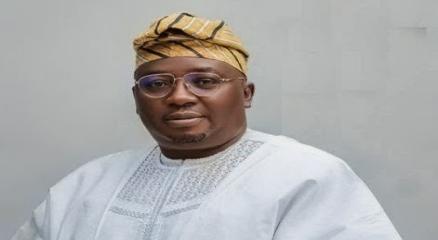
Tinubu, Olubadan haven’t endorsed any aspirant — Adelabu In a recent statement, Adebayo Adelabu, a prominent political figure and the current Minister of State for Power, has clarified rumors regarding endorsements for upcoming elections. Adelabu emphasized that neither President Bola Tinubu nor the Olubadan of Ibadanland has endorsed any political aspirant. This announcement comes amid widespread speculation and anticipation over potential backing from these influential figures. Adelabu's statement aims to dispel any misinformation and ensure that all political processes leading up to the elections remain transparent and unbiased. The Importance of Neutrality Adelabu stressed the importance of maintaining neutrality, especially given the significant sway both President Tinubu and the Olubadan hold over the political landscape. Their positions could profoundly impact the decisions of the electorate and the overall dynamics of the elections. Adelabu appreciates the public's interest in endorsements but underlines that these leaders remain focused on ensuring a fair and democratic process, rather than influencing outcomes in a specific direction. This approach reflects a commitment to democratic principles, where every aspirant is judged on merit rather than political patronage. Looking Towards the Future As the election season begins to gather momentum, political leaders like Adelabu are advocating for a level playing field. He calls for all aspirants to engage with the electorate directly, offering their visions and plans for progress. This strategy not only empowers voters but also ensures that candidates are assessed on their capabilities and commitment to public service. Adelabu's call for neutrality and transparency serves as a reminder of the responsibilities that come with leadership roles and the importance of integrity in political contests.
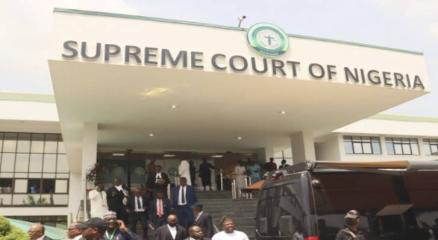
BREAKING: Supreme Court Reserves Judgment in ADC Leadership Crisis In a significant turn of events, the Supreme Court today reserved its judgment on the contentious leadership crisis within the African Democratic Congress (ADC). The case, which has been closely watched by political analysts and party loyalists alike, underscores the factional strife that has plagued the party for months. Arguments were presented by both sides, each laying claim to the authentic leadership of the party. The ruling, when delivered, is expected to have substantial implications not only for the ADC but potentially for the broader political landscape as the nation approaches its next electoral cycle. Leading the factional dispute are two prominent figures within the party, each backed by a group of influential stakeholders. The court was told of the series of events that led up to the schism, including allegations of procedural breaches during party elections and claims of undue influence by external actors. Both camps have expressed confidence in the judicial process, yet tensions remain high amidst the uncertainty. The reserved judgment leaves a cloud of unpredictability over the ADC's immediate future and its operational capacity, particularly concerning its preparedness for the next general elections. As the political establishment and the ADC faithful await the court’s decision, the broader conversation on party governance and electoral integrity gains further traction. The case brings to light the critical importance of transparent internal processes within political organizations to prevent destabilizing disputes. Observers suggest that regardless of the Supreme Court’s eventual judgment, the ADC will need to embark on a significant reconciliation and restructuring effort to restore its credibility and unity. This incident serves as a potent reminder of how internal discord can undermine even the most robust of democratic frameworks.
Edun, Dangiwa Resigned, Not Sacked — Presidency The recent developments within the Nigerian government witnessed two high-profile resignations that have sparked widespread discussions and speculation. Wale Edun, who served diligently as the Minister of Finance, and Muhammed Dangiwa, the Minister of Housing and Urban Development, tendered their resignations, affirming that their departures were voluntary. Recent rumors suggested a potential dismissal due to undisclosed controversies, but the Presidency has been quick to clarify that these were misleading claims. According to official statements, both ministers expressed a desire to pursue other endeavors, a testament to the natural transitions that occur within any dynamic governmental framework. The resignation of these key figures, especially at a time when Nigeria continues to navigate complex economic and social challenges, has raised alarm among stakeholders. It is crucial to comprehend the motivations behind such significant decisions. The government, however, remains steadfast in its assurance that this will not disrupt ongoing policy implementations and that the nation’s developmental goals will continue unabated. It is believed that Edun and Dangiwa’s decision was not influenced by any coercive action from the government but rather was prompted by personal reasons, an assertion that underscores the administration's respect for individual agency. In the wake of these resignations, the Presidency is actively pursuing the next steps to ensure there is no vacuum in leadership roles critical to the nation’s progress. There is a focus on appointing successors who possess the caliber and commitment necessary to drive forward the agenda set out by these former ministers. While these changes present challenges, they also bring opportunities for renewal and reinvigoration within the government’s ranks. The Presidency’s emphasis on continuity, alongside its assurance of an unwavering pursuit of national priorities, seeks to foster stability and confidence amongst the populace during this transitional phase.
Alleged Coup: Ex-Minister Sylva, retired general, others to be arraigned today In a dramatic turn of events, former minister Timipre Sylva and a retired general are set to be arraigned today in connection with an alleged coup plot. The case has gripped the nation, raising concerns about the political stability and governance of the country. The government's swift move to prosecute the individuals involved reflects its zero-tolerance policy towards any threats to the democratic process. According to insiders, the accusations against these high-profile figures include conspiracy to overthrow the government, a charge that carries serious implications for both the individuals and the nation. The implications of this case extend far beyond the courtroom, potentially influencing the political landscape and public confidence in the security services. Observers suggest that the alleged coup, if proven true, could be indicative of underlying tensions within the country's political elite. As the nation watches closely, the trial is expected to bring crucial insights into the motivations and circumstances surrounding the alleged plot. Legal experts are keenly awaiting the proceedings, which could set a significant precedent in handling similar cases in the future. Public response to the arraignment has been polarized, with some viewing it as a necessary step to preserve democracy, while others express concern over the potential for political witch hunts. Civic groups are calling for transparency in the judicial process to ensure that justice is served fairly and without bias. As the court case unfolds, its outcome could have a lasting impact on government policy and the relationship between the military and civilian administration. The arraignment today marks the beginning of what promises to be a complex and closely scrutinized legal battle.
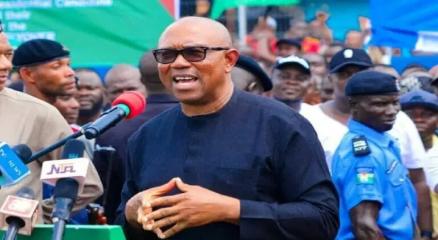
Obi Meets Privately with ADC Southeast Leaders in Enugu In a significant political move, Peter Obi, the influential political figure and former governor, recently engaged in a private meeting with the African Democratic Congress (ADC) Southeast leaders in Enugu. This strategic gathering underscores Obi's continued influence and interest in shaping political discourse in the region. While the details of the meeting remain largely confidential, insiders hint at discussions centered around fostering unity and collaborative efforts among opposition parties in the Southeast. Obi's experience and political acumen are seen as crucial assets in navigating the complex political landscape, particularly in addressing regional challenges and aligning efforts for community development. The private nature of the meeting has sparked a wave of speculation among political analysts and the public alike. Many are eager to understand the potential implications of this engagement for the broader political environment in Nigeria. The Southeast region, known for its dynamic and sometimes volatile political climate, could benefit significantly from concerted efforts towards stability and growth. By initiating conversations with the ADC, a party noted for its progressive stance, Obi seems to be cultivating an atmosphere of inclusiveness and dialogue. These discussions are not only pivotal for the ADC's strategy but might also influence the political directions of other parties in the region. Furthermore, this move by Obi aligns with a growing trend of cross-party dialogues and coalitions, a necessary strategy in Nigeria's multi-ethnic and multi-party system. As Nigeria approaches another election cycle, the importance of solidarity among opposition parties cannot be understated. Collaborations such as these can lead to more robust and representative political outcomes, encouraging policies that better reflect the diversity and needs of Nigeria's citizenry. Obi's engagement with ADC leaders is a testament to his commitment to leveraging his experience for positive political transformation in the Southeast, potentially setting a precedent for future political collaborations in the country.
How Jonathan, wife chased me out of PDP — Amaechi The political landscape of Nigeria has been rife with stories of internal conflicts and power plays, as illustrated in the experiences shared by prominent figures. Among the notable voices is former Rivers State Governor Rotimi Amaechi, who has recently brought to light his turbulent exit from the People's Democratic Party (PDP). According to Amaechi, his departure was heavily influenced by the actions and decisions of former President Goodluck Jonathan and his wife, Patience Jonathan. Amaechi claims the couple exerted considerable pressure on party dynamics, leading to an environment where his presence became untenable. This revelation sheds light on the intense political maneuverings that often occur within parties, shaping the career paths of notable politicians. Amaechi's narrative centers on a series of political disagreements that escalated into personal and professional challenges. He notes that there was a concerted effort led by the Jonathans to sideline him within the PDP, which made sustaining his influence and political initiatives increasingly challenging. The former governor recounts instances where his decisions were undermined and his political strategies thwarted, creating a fractured relationship between him and the party's core leadership. Amaechi's claims exemplify the internal struggles that can arise within political parties, often leading to significant shifts as key members seek more supportive environments. Such tensions are not uncommon, especially in dynamic political systems where allegiances can swiftly change. The implications of Amaechi's departure from the PDP extend beyond personal grievances, potentially influencing the broader political scene in Nigeria. His move to another political faction was seen as a significant blow to the PDP, altering the balance of power within the region. Moreover, his allegations against the Jonathans bring forth a discussion about the influence of personal relationships and power consolidation in political party frameworks. As Amaechi continues to navigate the political arena, the fallout from his departure remains a point of discussion among political analysts and the public. The unfolding of this narrative reflects how personal vendettas and political stratagems can shape the contours of political affiliations in Nigeria.
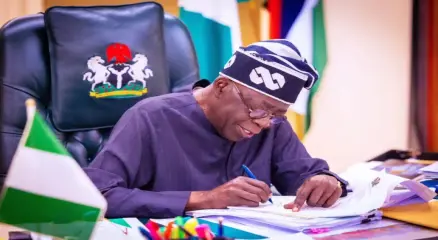
President Bola Tinubu has dismissed efforts by opposition figures, including Atiku Abubakar, Peter Obi, and Nasir el-Rufai, to challenge his administration ahead of the 2027 elections, stating that he remains undeterred by any political alliance against him. Speaking in Abuja while hosting the Renewed Hope Ambassadors, Tinubu urged opposition parties to respect democratic principles and judicial authority, while reaffirming his commitment to governance and national unity. He emphasized the need to sustain reforms, strengthen the economy, and promote a shared vision for Nigeria’s progress. The President acknowledged the country’s economic challenges at the start of his administration but maintained that corrective measures are underway. He also assured supporters of his resolve to deliver on his promises and continue pursuing policies aimed at national development. Earlier, Imo State Governor Hope Uzodimma described the Renewed Hope Ambassadors as a grassroots initiative to communicate government policies, while former Katsina State Governor Aminu Masari noted that reform-driven leadership often faces resistance despite ongoing achievements.
The Conflict: The Nigeria Guild of Editors (NGE) and SERAP have officially called on President Bola Tinubu to investigate what they describe as a "downward spiral" of media intimidation. The spark? Recent comments by FCT Minister Nyesom Wike directed at Channels TV’s Seun Okinbaloye. What Triggered the Row? During a media chat, Minister Wike expressed intense anger over Okinbaloye’s analysis on Politics Today. The Minister stated he was so "surprised" by the journalist’s comments regarding the 2027 elections that he "would have shot him" if he could reach through the television screen. While Wike later claimed the statement was a figure of speech, the NGE and SERAP argue that such language from a high-ranking official: Chills Public Interest: It creates a climate of fear for journalists. Encourages Impunity: It emboldens others to harass the media. Violates the Constitution: Section 39 guarantees the right to hold opinions and impart ideas without interference. The Stats: Nigeria’s Media Climate The joint statement highlighted a worrying trend for the country: Rankings Dropped: Nigeria fell 10 places to 122nd in the 2025 World Press Freedom Index. Attacks on the Rise: At least 56 journalists were arrested or assaulted in August 2024 alone while covering protests. Constitutional Duty: The groups reminded the government that Section 22 of the Constitution specifically mandates the press to hold the government accountable to the people.
The Viral Moment: A video of popular cleric Rev. Esther Ajayi has gone viral, showing her distributing Easter food packages to her congregation. The catch? The packages were heavily branded with the image of President Bola Ahmed Tinubu. What was meant to be a holiday outreach has instead triggered a fierce national debate on whether the pulpit is being used as a political billboard. The Public Outcry: 3 Key Arguments 1. "Gospel Merchandising" Critics on social media, including user @kolawoledavid21, have accused the cleric of turning the church into a "campaign ground." There is a growing frustration among Nigerians who feel that religious leaders are trading their moral authority for political influence and "fame." 2. The Silence of the Church Many observers are questioning how religious bodies can hold the government accountable if they are actively distributing government-linked palliatives. The concern is that these "crumbs" prevent leaders from speaking truth to power regarding the country's economic struggles. 3. "Palliative Christianity" With inflation biting hard, social media users like @hadebammy have noted a worrying trend: Sunday services are increasingly becoming distribution centers for rice and noodles. Critics argue that instead of fixing the economy, the government and church are using food as a temporary "end-of-year party" fix for deep-rooted poverty.
The Simple Breakdown: A video of Plateau State Governor Caleb Mutfwang standing in an Armoured Personnel Carrier (APC) during his visit to the site of the Angwan Rukuba massacre went viral this week. Some critics felt it looked "detached" from the people. On Friday, the Governor spoke to Channels TV to explain that the move was purely about security and communication. The 4 Real Reasons for the Armoured Vehicle: 1. A Human Megaphone The Governor explained that the crowd in Jos North was massive and extremely agitated. He used the height of the vehicle as a makeshift podium so that thousands of residents could actually see and hear him as he pleaded for calm and promised justice. 2. 90% on the Ground Mutfwang clarified that social media only showed a 30-second clip. In reality, he spent 90% of his visit on foot, walking through the community, viewing the corpses of the 28 victims, and sitting with grieving families to offer his condolences. 3. Security Advice As the Chief Security Officer of the State, Mutfwang acted on the direct orders of his security detail. Given that the atmosphere was "tense and volatile" following the Palm Sunday attack, the armoured vehicle was a necessary precaution to ensure the Governor could engage without the situation spiraling out of control. 4. The 48-Hour Curfew During the visit, the Governor didn't just talk; he acted. He declared a 48-hour curfew in Jos North to prevent reprisal attacks, promised that the government would foot the medical bills for the injured, and pledged to organize a state-led burial for those lost.
The Simple Breakdown: President Bola Tinubu traveled to Jos to stand with the people after a tragic attack on Palm Sunday in Angwan Rukuba that killed over 28 people. He didn't just bring condolences; he brought a new security plan centered on technology and raw "intelligence." The 4 Big Moves You Need to Know: 1. 5,000 AI Cameras are Coming The biggest news is the deployment of 5,000 high-tech security cameras across Plateau State. What they do: These aren't just regular CCTV; they are powered by Artificial Intelligence (AI) to spot troublemakers in real-time. Why it matters: It helps the police catch criminals before they escape and allows for a much faster response when something goes wrong. 2. A Direct "Hunt" Order Tinubu sat down with the Minister of Defence and the top Security Chiefs (Army and Police) and gave them a clear command: Find the killers and bring them to justice. He stated firmly that his government was elected to protect people, not to "create widows and widowers." 3. Money for Victims The President isn't leaving the survivors alone. He has set up a special committee, including Governor Caleb Mutfwang and the Minister of Humanitarian Affairs, to figure out exactly what people lost. While money can't replace lives, the government is promising financial support to help families get back on their feet. 4. Cleaning Up the "Old" Security Problems Governor Mutfwang pointed out that these attacks have been happening for nearly 30 years. Tinubu’s visit is being seen as a "reset button" to finally unite the state’s leaders and reclaim Plateau’s identity as the "Home of Peace and Tourism."
The Simple Breakdown: The Independent National Electoral Commission (INEC) has officially ignored demands for its Chairman, Prof. Joash Amupitan (SAN), to resign. This comes after a group within the African Democratic Congress (ADC) got angry because INEC stopped recognizing David Mark and Rauf Aregbesola as the party’s leaders. The 5 Key Things You Need to Know: 1. INEC Follows the Law, Not Parties INEC explained that the Chairman isn't a "political appointee" who can be fired just because a party is unhappy. Under the 1999 Constitution, removing an INEC Chairman is a very strict process. They aren't there to please any specific political group. 2. Avoiding a "Zamfara Repeat" The commission says it stopped recognizing the David Mark-led leadership because of a Court of Appeal judgment. INEC learned from past mistakes in states like Zamfara and Plateau, where elected officials were kicked out of office later because INEC didn't follow court orders from the start. They are playing it safe to protect the candidates' future. 3. No "One-Party" Agenda Critics accused INEC of trying to kill off smaller parties. INEC hit back, pointing out that under Prof. Amupitan, they have actually registered three new parties (DLA, NDC, and NDP), bringing the total number of active political parties in Nigeria to 22. 4. The Voter Register is Being "Cleaned," Not Rigged There is a plan to "revalidate" the National Register of Voters. INEC says this isn't a fresh registration or a move to target any region. It’s a "digital audit" to remove dead people, double registrations, and outdated info from as far back as 2011. 5. Focus on Ekiti and Osun 2026 INEC says it will not be distracted by "internal party fights." Its current priority is preparing for the Ekiti (June 2026) and Osun (August 2026) off-cycle elections to ensure they are free and fair.
The Conflict: The Nigeria Guild of Editors (NGE) and SERAP have officially called on President Bola Tinubu to investigate what they describe as a "downward spiral" of media intimidation. The spark? Recent comments by FCT Minister Nyesom Wike directed at Channels TV’s Seun Okinbaloye. What Triggered the Row? During a media chat, Minister Wike expressed intense anger over Okinbaloye’s analysis on Politics Today. The Minister stated he was so "surprised" by the journalist’s comments regarding the 2027 elections that he "would have shot him" if he could reach through the television screen. While Wike later claimed the statement was a figure of speech, the NGE and SERAP argue that such language from a high-ranking official: Chills Public Interest: It creates a climate of fear for journalists. Encourages Impunity: It emboldens others to harass the media. Violates the Constitution: Section 39 guarantees the right to hold opinions and impart ideas without interference. The Stats: Nigeria’s Media Climate The joint statement highlighted a worrying trend for the country: Rankings Dropped: Nigeria fell 10 places to 122nd in the 2025 World Press Freedom Index. Attacks on the Rise: At least 56 journalists were arrested or assaulted in August 2024 alone while covering protests. Constitutional Duty: The groups reminded the government that Section 22 of the Constitution specifically mandates the press to hold the government accountable to the people.
🎶 Sunday Groove: Fine-Tuned Melody Takes Over Shenix Lounge & Grills! Ibadan, are you ready for the ultimate weekend climax? If you’re looking for the perfect spot to unwind with your spouse, catch up with friends, or treat the family to an unforgettable evening, Shenix Lounge & Grills is the only destination this Sunday! This May 3rd, 2026, we are turning up the heat with a spectacular live music journey tagged "Fine-Tuned Melody." It’s time to dust off your dancing shoes and prepare for a night of rhythm, soul, and high-energy performances. 🌟 The All-Star Lineup We’ve curated a "Pioneer" list of performers to ensure every beat hits home: 🔥 Imisi Gold (The Headliner) 🎤 Bayo Amos 🎵 Luku Boy 🎹 Olabanji Melody 👯♂️ Ransom Twins 📍 Event Details Date: Sunday, 3rd May 2026 Time: 5:00 PM Sharp Location: No. 4, Idi-oro, Alao-Akala Express, Opposite Health Centre, Agara, Ibadan. Security: Maximum security is guaranteed, so you can focus entirely on the vibe!
The Simple Breakdown: Premier League giants Chelsea FC are officially heading to Lagos this May. It’s not for a match, but for a massive "Fan Engagement" festival tagged "The Famous CFC in Lagos." Even better? Super Eagles and Chelsea legend Victor Moses is coming along to host the party. 3 Things Every Chelsea Fan Needs to Know: 1. What’s Happening? Chelsea is bringing a "Watch Party" experience to Lagos. Think of it as a stadium-style atmosphere right in the heart of the city. There will be: A live viewing of a Chelsea match as the season reaches its climax. Q&A Sessions: You get to hear from Victor Moses himself. Prizes: Opportunities to win jerseys and merchandise signed by current Chelsea stars. 2. The Victor Moses Connection Having the 2013 AFCON winner and Premier League champion on the ground makes this special. It’s the first time the club is doing an official event of this scale in Nigeria, which is currently the fifth stop on their global fan tour this season. 3. Joining the Legends Lagos is used to "Football Royalty." Chelsea follows in the footsteps of Thierry Henry (who became the "Igwe of Football" in 2017) and Rio Ferdinand. This visit proves that Nigeria remains one of the biggest hubs for the "Blue" family worldwide. How to Attend (The Step-by-Step): You can't just show up at the gate! To get an invite: Go to the official Chelsea FC website. Search for the "International Fan Programme" or the Lagos event page. Fill out the application form to register your interest.
The Scandal: Prominent social media influencer Blessing CEO (Blessing Okoro) is facing a massive backlash after the Nigerian Medical Association (NMA) and a cancer survivor, Deborah Mbara, accused her of faking a Stage 4 breast cancer diagnosis. The NMA has confirmed that the medical report Blessing used to solicit donations was a "manipulated and doctored" version of Mbara's actual 2025 diagnosis. How the "Trap" Was Set: The Makeup Artist Connection: Mbara, a makeup artist who previously worked for Blessing, reached out to the influencer last week to offer support after Blessing claimed she was dying of cancer. The "Comparison" Trick: Blessing allegedly asked Mbara to send her original 2025 medical report from Xinus Medical Diagnostics under the guise of "comparing results" with her own doctor. The Forgery: Instead of comparing them, Mbara alleges Blessing doctored the document, swapped the names, and posted it online to back her claim of raising ₦13 million in donations. The NMA's Verdict: The Delta State chapter of the NMA issued a scathing statement, clarifying that Xinus Medical Diagnostics never issued a report to Blessing Okoro. They traced the original document back to May 9, 2025, confirming it belonged strictly to Deborah Mbara.
The political landscape in Nigeria has recently been stirred by a provocative comment from Governor Seyi Makinde, and it has sparked a fiery exchange between Wike-backed PDP members and Turaki’s camp. Makinde’s reference to “Operation Wetie,” a term harking back to a period of political unrest in Western Nigeria during the 1960s, has incited formidable reactions. Supporters of Nyesom Wike, who are embedded within the PDP, interpreted Makinde’s remarks as inflammatory, potentially exacerbating tensions within the party. They argue that such comments could unearth historical animosities and detract from the political unity required for navigating contemporary challenges facing the state and the country at large. Turaki’s camp, on the other hand, has seized the opportunity to mount a robust defense while countering the implications of Makinde’s statement. They contend that invoking the past serves little purpose other than resurrecting wounds that were thought to be healing. The camp remains steadfast in its belief that the PDP should focus on fostering an inclusive discussion that highlights progressive policies. Advocates within Turaki’s circle emphasize a forward-thinking approach, promoting strategies aimed at economic development and social cohesion, rather than getting mired in historical disputes that have the potential to fracture party solidarity. This exchange underscores a broader issue within the party, wherein internal factions appear to be at odds over strategies and rhetoric leading up to key elections. While Wike-backed members express concern over maintaining a peaceable and united front, Turaki’s faction advocates for addressing controversial topics head-on but in a manner that cultivates understanding and growth. The divergent responses to Makinde's comment could shape the narrative surrounding intra-party politics, revealing the complexities of alliances and the challenges of steering a large, diverse political entity through a tumultuous electoral landscape. As the situation develops, it will be crucial for party leaders to mediate and guide discussions that maintain the integrity and objectives of the PDP whilst honoring the lessons of history.