

📻 LISTEN LIVE Chinese Firms to Run Warri & Port Harcourt Refineries
BUSINESS & ECONOMY

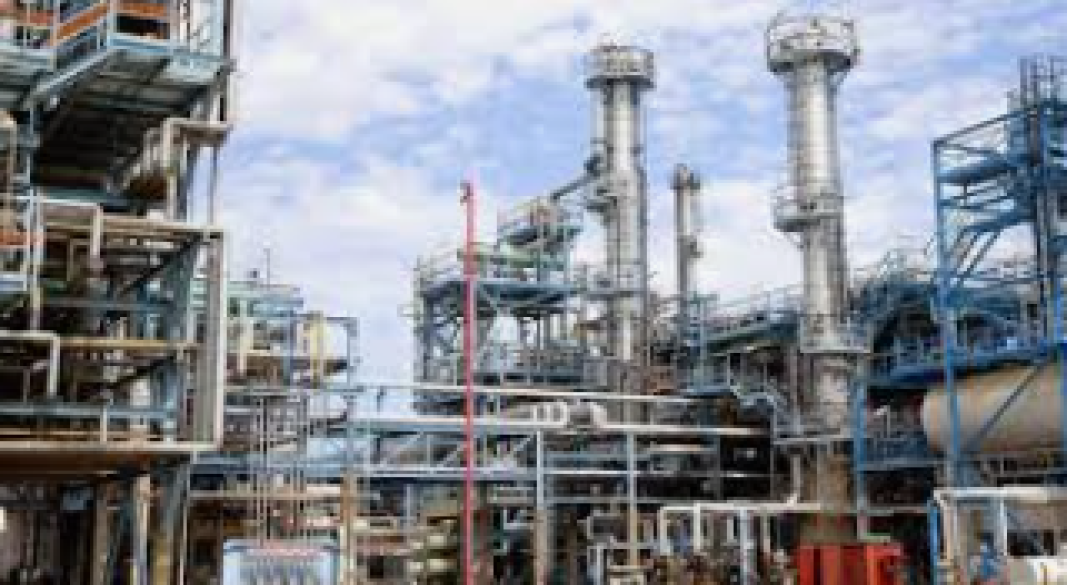
In a landmark move promising to reshape Nigeria's energy landscape, Chinese firms are set to take the reins at Warri and Port Harcourt refineries, according to the Nigerian National Petroleum Corporation (NNPC)

Chinese firms to operate Warri, Port Harcourt refineries — NNPC

may osakwe May 4, 2026 0

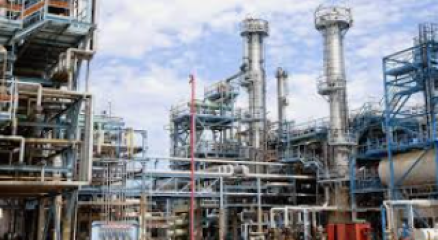
The National Petroleum Corporation (NNPC) has announced a groundbreaking collaboration with Chinese firms to operate two of Nigeria's major refineries, Warri and Port Harcourt.


This strategic partnership aims to bolster Nigeria's refining capacity and attendance to meet the country's ever-growing demand for petroleum products. It marks a significant step in revamping the country's oil industry, which has faced numerous challenges over the years, including underinvestment and inefficiencies. The inclusion of Chinese expertise and technology is expected to lead to a substantial increase in operational efficacy, making the local production and processing of oil much more viable.


Over the past few years, Nigeria's dependence on imported refined petroleum products has strained its economy, making self-reliance in the oil sector a critical objective for the government. By bringing in Chinese firms, known for their advanced technological capabilities and efficient industrial processes, it is anticipated that these refineries will be rejuvenated and positioned to operate at full capacity. This collaboration also aligns with broader national efforts to achieve energy security and positions the Nigerian oil sector as a more competitive player on the global stage, potentially attracting further international investments in the future.


Industry experts and stakeholders have generally lauded this move, expressing optimism that the refineries' improved performance will have a multiplier effect on the Nigerian economy. The collaboration is not only expected to create jobs but also to enhance skill transfer and development among local employees.


However, some analysts remain cautious, pointing out the challenges inherent in such large-scale international partnerships, including the need for transparent governance and effective regulatory frameworks to ensure the agreements' long-term success. Overall, the NNPC's decision could serve as a pivotal turning point, marking a new era for Nigeria's oil and gas sector.

Popular News
Protect the Press! NGE and SERAP Petition Tinubu Over Wike’s "I Would Have Shot Him" Remark to Seun Okinbaloye

The Conflict:   The Nigeria Guild of Editors (NGE) and SERAP have officially called on President Bola Tinubu to investigate what they describe as a "downward spiral" of media intimidation. The spark? Recent comments by FCT Minister Nyesom Wike directed at Channels TV’s Seun Okinbaloye.   What Triggered the Row?   During a media chat, Minister Wike expressed intense anger over Okinbaloye’s analysis on Politics Today. The Minister stated he was so "surprised" by the journalist’s comments regarding the 2027 elections that he "would have shot him" if he could reach through the television screen.   While Wike later claimed the statement was a figure of speech, the NGE and SERAP argue that such language from a high-ranking official:   Chills Public Interest: It creates a climate of fear for journalists.   Encourages Impunity: It emboldens others to harass the media.   Violates the Constitution: Section 39 guarantees the right to hold opinions and impart ideas without interference.   The Stats: Nigeria’s Media Climate The joint statement highlighted a worrying trend for the country:   Rankings Dropped: Nigeria fell 10 places to 122nd in the 2025 World Press Freedom Index.   Attacks on the Rise: At least 56 journalists were arrested or assaulted in August 2024 alone while covering protests.   Constitutional Duty: The groups reminded the government that Section 22 of the Constitution specifically mandates the press to hold the government accountable to the people.

Sunday Groove: Fine-Tuned Melodies Take Center Stage at Shenix Lounge & Grills!

🎶 Sunday Groove: Fine-Tuned Melody Takes Over Shenix Lounge & Grills!   Ibadan, are you ready for the ultimate weekend climax?   If you’re looking for the perfect spot to unwind with your spouse, catch up with friends, or treat the family to an unforgettable evening, Shenix Lounge & Grills is the only destination this Sunday!   This May 3rd, 2026, we are turning up the heat with a spectacular live music journey tagged "Fine-Tuned Melody." It’s time to dust off your dancing shoes and prepare for a night of rhythm, soul, and high-energy performances.   🌟 The All-Star Lineup   We’ve curated a "Pioneer" list of performers to ensure every beat hits home: 🔥 Imisi Gold (The Headliner) 🎤 Bayo Amos 🎵 Luku Boy 🎹 Olabanji Melody 👯‍♂️ Ransom Twins     📍 Event Details Date: Sunday, 3rd May 2026 Time: 5:00 PM Sharp Location: No. 4, Idi-oro, Alao-Akala Express, Opposite Health Centre, Agara, Ibadan. Security: Maximum security is guaranteed, so you can focus entirely on the vibe!

The Blues are Coming! Chelsea FC Announces Historic Lagos Takeover this May

The Simple Breakdown: Premier League giants Chelsea FC are officially heading to Lagos this May. It’s not for a match, but for a massive "Fan Engagement" festival tagged "The Famous CFC in Lagos." Even better? Super Eagles and Chelsea legend Victor Moses is coming along to host the party.   3 Things Every Chelsea Fan Needs to Know:   1. What’s Happening? Chelsea is bringing a "Watch Party" experience to Lagos. Think of it as a stadium-style atmosphere right in the heart of the city. There will be: A live viewing of a Chelsea match as the season reaches its climax. Q&A Sessions: You get to hear from Victor Moses himself. Prizes: Opportunities to win jerseys and merchandise signed by current Chelsea stars.   2. The Victor Moses Connection Having the 2013 AFCON winner and Premier League champion on the ground makes this special. It’s the first time the club is doing an official event of this scale in Nigeria, which is currently the fifth stop on their global fan tour this season.   3. Joining the Legends Lagos is used to "Football Royalty." Chelsea follows in the footsteps of Thierry Henry (who became the "Igwe of Football" in 2017) and Rio Ferdinand. This visit proves that Nigeria remains one of the biggest hubs for the "Blue" family worldwide.   How to Attend (The Step-by-Step):   You can't just show up at the gate! To get an invite: Go to the official Chelsea FC website. Search for the "International Fan Programme" or the Lagos event page. Fill out the application form to register your interest.

Cancer Survivor Speaks Out: "Blessing CEO Doctored My Report to Scam the Public" — NMA Confirms Fraud

The Scandal: Prominent social media influencer Blessing CEO (Blessing Okoro) is facing a massive backlash after the Nigerian Medical Association (NMA) and a cancer survivor, Deborah Mbara, accused her of faking a Stage 4 breast cancer diagnosis. The NMA has confirmed that the medical report Blessing used to solicit donations was a "manipulated and doctored" version of Mbara's actual 2025 diagnosis.   How the "Trap" Was Set:   The Makeup Artist Connection: Mbara, a makeup artist who previously worked for Blessing, reached out to the influencer last week to offer support after Blessing claimed she was dying of cancer. The "Comparison" Trick: Blessing allegedly asked Mbara to send her original 2025 medical report from Xinus Medical Diagnostics under the guise of "comparing results" with her own doctor. The Forgery: Instead of comparing them, Mbara alleges Blessing doctored the document, swapped the names, and posted it online to back her claim of raising ₦13 million in donations.   The NMA's Verdict: The Delta State chapter of the NMA issued a scathing statement, clarifying that Xinus Medical Diagnostics never issued a report to Blessing Okoro. They traced the original document back to May 9, 2025, confirming it belonged strictly to Deborah Mbara.

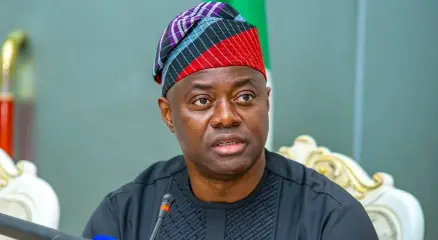
Tensions Rise as PDP and Turaki's Camp Clash Over Makinde's 'Operation Wetie' Remark

The political landscape in Nigeria has recently been stirred by a provocative comment from Governor Seyi Makinde, and it has sparked a fiery exchange between Wike-backed PDP members and Turaki’s camp. Makinde’s reference to “Operation Wetie,” a term harking back to a period of political unrest in Western Nigeria during the 1960s, has incited formidable reactions. Supporters of Nyesom Wike, who are embedded within the PDP, interpreted Makinde’s remarks as inflammatory, potentially exacerbating tensions within the party. They argue that such comments could unearth historical animosities and detract from the political unity required for navigating contemporary challenges facing the state and the country at large.   Turaki’s camp, on the other hand, has seized the opportunity to mount a robust defense while countering the implications of Makinde’s statement. They contend that invoking the past serves little purpose other than resurrecting wounds that were thought to be healing. The camp remains steadfast in its belief that the PDP should focus on fostering an inclusive discussion that highlights progressive policies. Advocates within Turaki’s circle emphasize a forward-thinking approach, promoting strategies aimed at economic development and social cohesion, rather than getting mired in historical disputes that have the potential to fracture party solidarity.   This exchange underscores a broader issue within the party, wherein internal factions appear to be at odds over strategies and rhetoric leading up to key elections. While Wike-backed members express concern over maintaining a peaceable and united front, Turaki’s faction advocates for addressing controversial topics head-on but in a manner that cultivates understanding and growth. The divergent responses to Makinde's comment could shape the narrative surrounding intra-party politics, revealing the complexities of alliances and the challenges of steering a large, diverse political entity through a tumultuous electoral landscape. As the situation develops, it will be crucial for party leaders to mediate and guide discussions that maintain the integrity and objectives of the PDP whilst honoring the lessons of history.

May Osakwe may9ine

Reporting for Roven News Headline: Chinese Firms to Operate Warri, Port Harcourt Refineries — NNPC

Business & Economy

View more
Chinese firms to operate Warri, Port Harcourt refineries — NNPC

The National Petroleum Corporation (NNPC) has announced a groundbreaking collaboration with Chinese firms to operate two of Nigeria's major refineries, Warri and Port Harcourt.   This strategic partnership aims to bolster Nigeria's refining capacity and attendance to meet the country's ever-growing demand for petroleum products. It marks a significant step in revamping the country's oil industry, which has faced numerous challenges over the years, including underinvestment and inefficiencies. The inclusion of Chinese expertise and technology is expected to lead to a substantial increase in operational efficacy, making the local production and processing of oil much more viable.   Over the past few years, Nigeria's dependence on imported refined petroleum products has strained its economy, making self-reliance in the oil sector a critical objective for the government. By bringing in Chinese firms, known for their advanced technological capabilities and efficient industrial processes, it is anticipated that these refineries will be rejuvenated and positioned to operate at full capacity. This collaboration also aligns with broader national efforts to achieve energy security and positions the Nigerian oil sector as a more competitive player on the global stage, potentially attracting further international investments in the future.   Industry experts and stakeholders have generally lauded this move, expressing optimism that the refineries' improved performance will have a multiplier effect on the Nigerian economy. The collaboration is not only expected to create jobs but also to enhance skill transfer and development among local employees.   However, some analysts remain cautious, pointing out the challenges inherent in such large-scale international partnerships, including the need for transparent governance and effective regulatory frameworks to ensure the agreements' long-term success. Overall, the NNPC's decision could serve as a pivotal turning point, marking a new era for Nigeria's oil and gas sector.

may osakwe May 4, 2026 0

Customs intercept N18.96bn cannabis hidden in imported vehicles

Dangote Refinery

Petrol nears N1,400/litre as Dangote hikes price

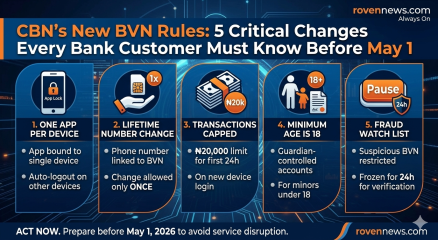
CBN’s New BVN Rules: 5 Critical Changes Every Bank Customer Must Know Before May 1

CBN’s New BVN Rules: 5 Critical Changes Every Bank Customer Must Know Before May 1

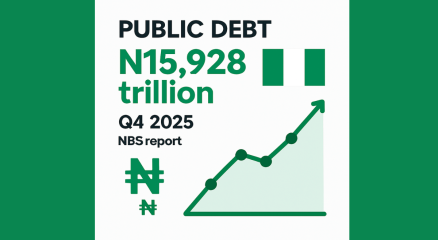
Nigeria's Public Debt Reaches N15928 Trillion in Q4 2025: NBS Report

Nigeria's public debt stock soared to an unprecedented level, reaching N159.28 trillion in the fourth quarter of 2025, as reported by the National Bureau of Statistics (NBS).   This eye-watering figure signifies an alarming trend in the nation's financial health, stoking concerns among policymakers and economists about the sustainability of this debt burden. The rise in public debt has been attributed to various factors, including increased government borrowing to fund infrastructure projects and address the devaluation of the naira amidst fluctuating oil prices. This debt surge raises critical questions about fiscal management and the future economic stability of Nigeria.   The implications of this growing debt are significant for Nigeria's economy.   With such a high debt-to-GDP ratio, the country faces increasing pressure to meet its fiscal obligations, which could dampen economic growth and limit investment in other essential sectors such as education and healthcare. Furthermore, the cost of servicing this debt consumes a substantial portion of the national budget, potentially crowding out other vital expenditures and investments necessary for national development. As global interest rates adjust, Nigeria might also face challenges in refinancing its existing debt, further straining its financial resources and negotiating power.   In response to these developments, economic analysts and financial experts are urging the Nigerian government to implement stringent measures to manage and restructure its debt. Suggestions include diversifying the economy to reduce reliance on oil revenues, enhancing tax collection mechanisms, and cutting back on non-essential government spending. Moreover, attracting foreign investment and strengthening monetary policies could provide a buffer against further economic shocks. It is crucial for Nigeria to chart a sustainable economic plan to avoid falling into a debt trap that could undermine its long-term development prospects and the well-being of its citizens.

Admin April 27, 2026 0

Banking and Industrial Goods Sectors Boost Stock Market with N55 Trillion Gain for Investors

CBN should revisit its new POS rule

Dangote Flour

Dangote Sugar shareholders approve N500bn Rights Issue for strategic expansion

DR Congo to Ban Use of Foreign Currencies in Cash Transactions by 2027

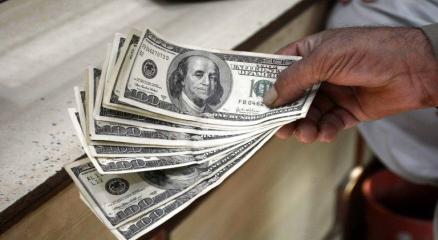
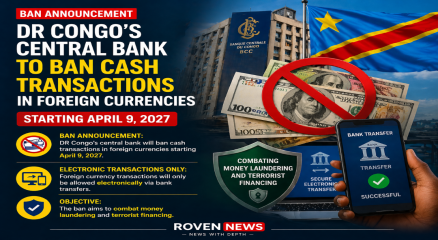
The Central Bank of the Congo has announced a sweeping policy to phase out the use of foreign currencies in everyday cash transactions, marking a significant shift in the country’s monetary system. Under the new directive, which takes effect on April 9, 2027, individuals and businesses will no longer be allowed to conduct cash transactions in foreign currencies such as the U.S. dollar. Commercial banks will also be prohibited from physically importing foreign currency. However, foreign currencies may still be used for electronic transactions conducted through the banking system. The policy is part of broader efforts to strengthen financial oversight, particularly in combating money laundering and terrorist financing. It also reflects the government’s long-standing attempt to restore confidence in the national currency, the Congolese franc. Foreign currencies, especially the U.S. dollar, have dominated the country’s economy since the 1990s, when hyperinflation severely weakened the local currency. Today, most transactions exceeding modest amounts are conducted in dollars, highlighting persistent public distrust in the franc, which has significantly depreciated over time. Previous efforts by authorities to reduce reliance on foreign currencies have met limited success. Measures introduced in recent years, including directives requiring electronic payment systems to operate exclusively in the local currency, have not fully reversed dollarization. Despite its vast natural resources and global economic interest, the Democratic Republic of the Congo continues to face deep economic challenges, with widespread poverty and a fragile financial system complicating reforms aimed at stabilizing its currency.

may osakwe April 11, 2026 0
DR Congo to ban foreign currency cash transactions

DR Congo's Bold Move: Dollar Ban in Cash Transactions

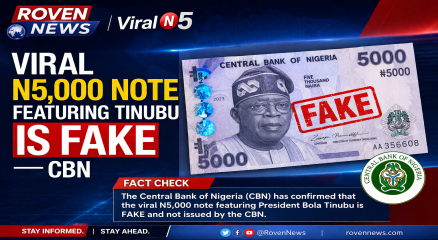
AI Generated Image Viral N5,000 note featuring Tinubu is fake — CBN

CBN Clarifies: Viral N5,000 Tinubu Note is a Hoax

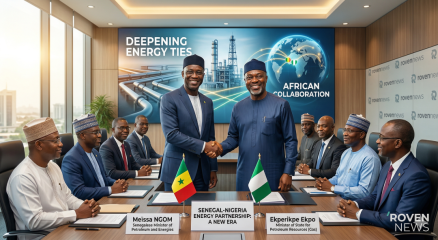
Senegal and Nigeria Deepen Energy Ties as Ministerial Visit Signals New Era of African Collaboration

A high-level working visit between Senegal and Nigeria is laying the groundwork for deeper cooperation in refining, gas monetization, policy development and intra-African energy trade

0 Comments