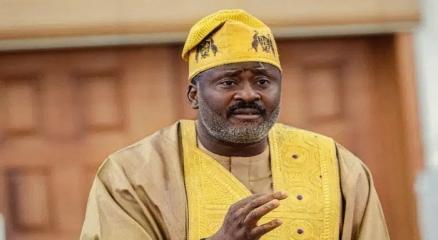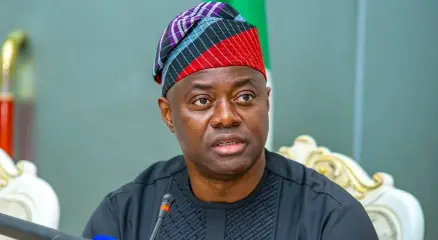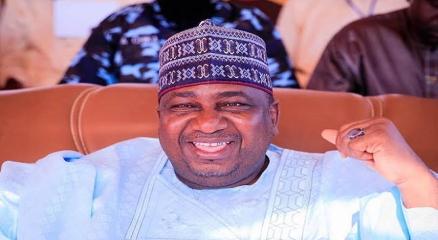
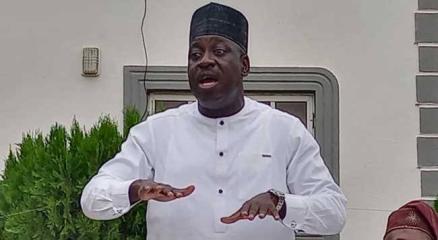







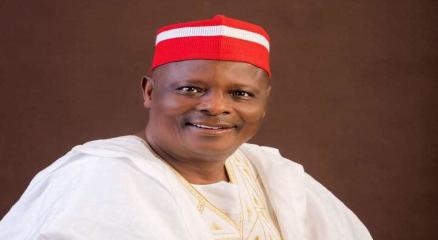
The recent departure of prominent politicians Peter Obi and Rabiu Kwankwaso from the political scene is perceived by the African Democratic Congress (ADC) as both a setback and a relief.
These high-profile exits have stirred conversations across various political circles, as both figures were considered strong contenders capable of influencing the nation's political landscape. The absence of such influential politicians could result in a temporary vacuum, altering the dynamics of power and competition within the political parties.
While their exit presents challenges, it also offers opportunities for emerging leaders to step into the spotlight.
On one hand, the ADC acknowledges that the exit of Obi and Kwankwaso poses a setback to the momentum that diverse leadership options could have built.
Their participation brought a fresh perspective and energy essential for the evolution of political thought and practice in Nigeria. The dual void left by their departure means that the political dialogue might lose some of its vibrancy and criticality needed to propel democratic engagements forward.
This setback is particularly significant in a period where the ADC and other parties are working tirelessly to increase voter engagement and trust in the political process.
On the other hand, the ADC describes this development as a relief, perceiving it as an opportunity to recalibrate its strategies and focus on strengthening its internal structures.
Without the overshadowing presence of such formidable candidates, smaller parties like the ADC can better articulate their visions and policies, reaching out to voters who may feel overlooked by the major political giants.
By filling this gap, the ADC plans to highlight young and fresh voices that resonate with the contemporary issues faced by the electorate, offering an alternative pathway for Nigeria's political future.
This re-shifting could prove advantageous as it allows for a reevaluation of principles and a reinvigoration of efforts to expand their influence and presence in the forthcoming elections.
The Conflict: The Nigeria Guild of Editors (NGE) and SERAP have officially called on President Bola Tinubu to investigate what they describe as a "downward spiral" of media intimidation. The spark? Recent comments by FCT Minister Nyesom Wike directed at Channels TV’s Seun Okinbaloye. What Triggered the Row? During a media chat, Minister Wike expressed intense anger over Okinbaloye’s analysis on Politics Today. The Minister stated he was so "surprised" by the journalist’s comments regarding the 2027 elections that he "would have shot him" if he could reach through the television screen. While Wike later claimed the statement was a figure of speech, the NGE and SERAP argue that such language from a high-ranking official: Chills Public Interest: It creates a climate of fear for journalists. Encourages Impunity: It emboldens others to harass the media. Violates the Constitution: Section 39 guarantees the right to hold opinions and impart ideas without interference. The Stats: Nigeria’s Media Climate The joint statement highlighted a worrying trend for the country: Rankings Dropped: Nigeria fell 10 places to 122nd in the 2025 World Press Freedom Index. Attacks on the Rise: At least 56 journalists were arrested or assaulted in August 2024 alone while covering protests. Constitutional Duty: The groups reminded the government that Section 22 of the Constitution specifically mandates the press to hold the government accountable to the people.
🎶 Sunday Groove: Fine-Tuned Melody Takes Over Shenix Lounge & Grills! Ibadan, are you ready for the ultimate weekend climax? If you’re looking for the perfect spot to unwind with your spouse, catch up with friends, or treat the family to an unforgettable evening, Shenix Lounge & Grills is the only destination this Sunday! This May 3rd, 2026, we are turning up the heat with a spectacular live music journey tagged "Fine-Tuned Melody." It’s time to dust off your dancing shoes and prepare for a night of rhythm, soul, and high-energy performances. 🌟 The All-Star Lineup We’ve curated a "Pioneer" list of performers to ensure every beat hits home: 🔥 Imisi Gold (The Headliner) 🎤 Bayo Amos 🎵 Luku Boy 🎹 Olabanji Melody 👯♂️ Ransom Twins 📍 Event Details Date: Sunday, 3rd May 2026 Time: 5:00 PM Sharp Location: No. 4, Idi-oro, Alao-Akala Express, Opposite Health Centre, Agara, Ibadan. Security: Maximum security is guaranteed, so you can focus entirely on the vibe!
The Simple Breakdown: Premier League giants Chelsea FC are officially heading to Lagos this May. It’s not for a match, but for a massive "Fan Engagement" festival tagged "The Famous CFC in Lagos." Even better? Super Eagles and Chelsea legend Victor Moses is coming along to host the party. 3 Things Every Chelsea Fan Needs to Know: 1. What’s Happening? Chelsea is bringing a "Watch Party" experience to Lagos. Think of it as a stadium-style atmosphere right in the heart of the city. There will be: A live viewing of a Chelsea match as the season reaches its climax. Q&A Sessions: You get to hear from Victor Moses himself. Prizes: Opportunities to win jerseys and merchandise signed by current Chelsea stars. 2. The Victor Moses Connection Having the 2013 AFCON winner and Premier League champion on the ground makes this special. It’s the first time the club is doing an official event of this scale in Nigeria, which is currently the fifth stop on their global fan tour this season. 3. Joining the Legends Lagos is used to "Football Royalty." Chelsea follows in the footsteps of Thierry Henry (who became the "Igwe of Football" in 2017) and Rio Ferdinand. This visit proves that Nigeria remains one of the biggest hubs for the "Blue" family worldwide. How to Attend (The Step-by-Step): You can't just show up at the gate! To get an invite: Go to the official Chelsea FC website. Search for the "International Fan Programme" or the Lagos event page. Fill out the application form to register your interest.
The Scandal: Prominent social media influencer Blessing CEO (Blessing Okoro) is facing a massive backlash after the Nigerian Medical Association (NMA) and a cancer survivor, Deborah Mbara, accused her of faking a Stage 4 breast cancer diagnosis. The NMA has confirmed that the medical report Blessing used to solicit donations was a "manipulated and doctored" version of Mbara's actual 2025 diagnosis. How the "Trap" Was Set: The Makeup Artist Connection: Mbara, a makeup artist who previously worked for Blessing, reached out to the influencer last week to offer support after Blessing claimed she was dying of cancer. The "Comparison" Trick: Blessing allegedly asked Mbara to send her original 2025 medical report from Xinus Medical Diagnostics under the guise of "comparing results" with her own doctor. The Forgery: Instead of comparing them, Mbara alleges Blessing doctored the document, swapped the names, and posted it online to back her claim of raising ₦13 million in donations. The NMA's Verdict: The Delta State chapter of the NMA issued a scathing statement, clarifying that Xinus Medical Diagnostics never issued a report to Blessing Okoro. They traced the original document back to May 9, 2025, confirming it belonged strictly to Deborah Mbara.
The political landscape in Nigeria has recently been stirred by a provocative comment from Governor Seyi Makinde, and it has sparked a fiery exchange between Wike-backed PDP members and Turaki’s camp. Makinde’s reference to “Operation Wetie,” a term harking back to a period of political unrest in Western Nigeria during the 1960s, has incited formidable reactions. Supporters of Nyesom Wike, who are embedded within the PDP, interpreted Makinde’s remarks as inflammatory, potentially exacerbating tensions within the party. They argue that such comments could unearth historical animosities and detract from the political unity required for navigating contemporary challenges facing the state and the country at large. Turaki’s camp, on the other hand, has seized the opportunity to mount a robust defense while countering the implications of Makinde’s statement. They contend that invoking the past serves little purpose other than resurrecting wounds that were thought to be healing. The camp remains steadfast in its belief that the PDP should focus on fostering an inclusive discussion that highlights progressive policies. Advocates within Turaki’s circle emphasize a forward-thinking approach, promoting strategies aimed at economic development and social cohesion, rather than getting mired in historical disputes that have the potential to fracture party solidarity. This exchange underscores a broader issue within the party, wherein internal factions appear to be at odds over strategies and rhetoric leading up to key elections. While Wike-backed members express concern over maintaining a peaceable and united front, Turaki’s faction advocates for addressing controversial topics head-on but in a manner that cultivates understanding and growth. The divergent responses to Makinde's comment could shape the narrative surrounding intra-party politics, revealing the complexities of alliances and the challenges of steering a large, diverse political entity through a tumultuous electoral landscape. As the situation develops, it will be crucial for party leaders to mediate and guide discussions that maintain the integrity and objectives of the PDP whilst honoring the lessons of history.
Reporting for Roven News Headline: Obi, Kwankwaso’s Exit a Setback but Relief, Says ADC
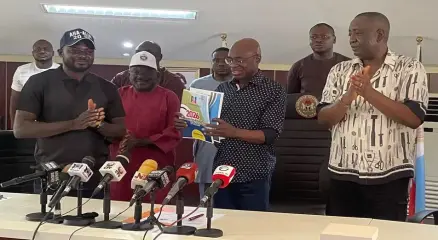
In a decisive move towards securing another term in office, the governor of Kebbi State has formally submitted his nomination form for re-election under the All Progressives Congress (APC) platform. This significant development marks the beginning of what is expected to be a competitive election season in the state. The governor, who has overseen a number of developmental projects during his first term, is seeking to continue his work on infrastructure and further economic growth. His candidacy is bolstered by a strong track record of achievements, which he hopes will resonate well with the electorate as they head to the polls. The submission of the nomination form was met with enthusiasm among party supporters, who turned out in large numbers to show their support. The atmosphere was electric, characterized by a vibrant display of party colors and spirited chants. Many see the governor's candidacy as a continuation of the policies and projects that have been initiated since he took office. His supporters argue that he has brought stability and progress to the state, a testament to his commitment to governance and public welfare. His administration has been credited with improvements in education, healthcare, and agricultural sectors, all of which remain critical areas for his campaign in the upcoming election. As the political landscape heats up, the governor's opponents have not been silent. They are actively rallying support and presenting their own vision for the future of Kebbi State. Nonetheless, the incumbent's move to officially enter the race by submitting his nomination forms signals his readiness to tackle any challenges that lie ahead. Observers suggest that the governor’s strategy will rely heavily on reinforcing his accomplishments while addressing the state's ongoing challenges. The election is anticipated to be closely contested, drawing significant attention from both local and national observers keen to see how the democratic process unfolds in the state's quest for continued leadership under the APC banner.
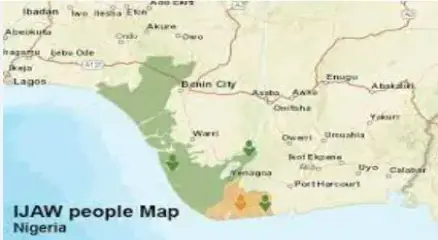
The recent election of the Ijaw National Congress (INC) has sparked significant controversy, with a prominent Ijaw group officially rejecting the results. The group has raised concerns about the electoral process, citing irregularities they believe compromised the integrity of the election. They assert that the selection of the INC leadership was marred by procedural failures and lack of transparency. As such, they are demanding a reversal of the election outcome and calling for a new round of voting to ensure fairness and legitimacy in the congress's leadership structure. This discontent has resulted in heightened tensions within the Ijaw community, as many members voice their dissatisfaction with the current leadership. The group argues that the election did not adequately represent the will of the Ijaw people, given the alleged flaws in the electoral method. The rejection of the INC election results points to broader issues within the community’s approach to governance and democratic processes. These concerns are not only about the immediate leadership but also about setting a precedent for how elections should be conducted in the future to maintain the trust and confidence of the Ijaw people. In response to these developments, the Ijaw group has appealed to external bodies to oversee future elections to ensure the process is free and fair. They also urge the Ijaw National Congress to address the issues raised, emphasizing the importance of establishing mechanisms for accountability and openness. The group insists that these measures are crucial for repairing divisions and fostering unity within the community. Until these demands are addressed, they remain steadfast in their call for the election results to be overturned, underscoring their commitment to democratic principles and the legitimate representation of their people.
Xenophobia has taken a violent turn in South Africa as attacks on foreign nationals, particularly Nigerians, continue to escalate. The situation has become increasingly dire, prompting many Nigerian citizens to consider returning home to escape the rising tide of hostility. With incidents of looting, violence, and destruction of property becoming rampant, the Nigerian government has expressed deep concern, urging its nationals to stay safe and avoid volatile areas. This intensified aggression has not only strained diplomatic relations between Nigeria and South Africa but also ignited widespread condemnation from the international community. The rising tension has fueled fear and uncertainty among Nigerian immigrants and other African nationals residing in South Africa. Reports indicate that many have been left jobless and homeless, while some have suffered severe physical injuries due to the attacks. The Nigerian community, in particular, feels targeted, exacerbating their vulnerability and leading to urgent calls for evacuation plans. Human rights organizations have also raised alarms about the welfare of affected individuals, advocating for immediate intervention and protective measures to be put in place by the South African government. Efforts to mediate and resolve the conflict have seen mixed results, with diplomatic negotiations ongoing at various levels. The South African authorities have pledged to restore order and provide assurances of safety for all residents, yet the effectiveness of these measures remains to be seen. Meanwhile, the Nigerian government is coordinating with relevant agencies to facilitate the return of its citizens who wish to leave. This unfolding crisis highlights the deep-seated challenges of xenophobia and the urgent need for comprehensive approaches to foster tolerance and inclusivity in South Africa, which remains one of the continent's most diverse nations.